
Every one-percentage-point increase in public sector base pay for 2027 could cost the government approximately GH¢800 million, highlighting the financial implications of ongoing negotiations between the government and organized labor ahead of their expected conclusion next week.
The estimate is derived from the GH¢81.4 billion allocated to wages and salaries under the 2026 Appropriation Act. However, since not all public sector employees are paid under the Single Spine Salary Structure, the actual cost per percentage point could be slightly lower.
Based on the estimate, a 6% salary increase would add approximately GH¢4.9 billion to the government’s wage bill, while a 9% increase, similar to the adjustment granted in 2026, would raise the bill by about GH¢7.3 billion.
Negotiations facilitated by the Fair Wages and Salaries Commission began on Thursday, October 15, 2026, and are expected to conclude next week. Reports suggesting that government and labour representatives had agreed on a 6% increase have been dismissed by sources within the Commission, who told Citi News that no agreement had been reached.
Government and workers face competing pressures
The negotiations present significant challenges for both government and public sector workers.
For the government, employee compensation remains one of the largest components of public expenditure. Total compensation, including pensions, gratuities and social security contributions, is projected at GH¢90.8 billion in 2026, equivalent to approximately 5.7% of gross domestic product.
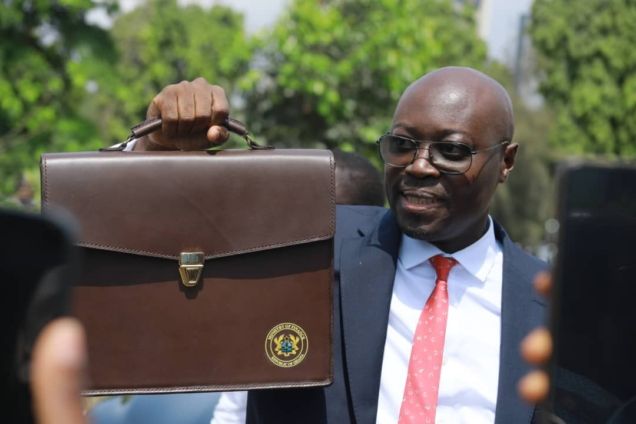
Finance Minister Dr Cassiel Ato Forson disclosed in March that the public sector wage bill accounted for 44% of non-oil tax revenue at the end of 2025 and approximately one-third of total government expenditure. He also indicated that capital investment represented only about 6% of government spending.
For workers, the central concern is whether salary adjustments have adequately compensated for rising living costs. The answer differs depending on the period under consideration.
In 2025, public sector base pay increased by 10%, while average inflation stood at approximately 14.6%. This meant that the increase in salaries did not keep pace with rising prices, reducing workers’ purchasing power.
The situation changed in 2026, when the 9% base pay adjustment exceeded the average inflation rate of approximately 4.0% reported for the year by Fitch Solutions.
Nevertheless, a comparison of the two years suggests that the combined salary increases have largely helped public servants recover purchasing power lost during the period, rather than deliver a substantial improvement in their real incomes.
Organised Labour pushes for a meaningful increase
The figures strengthen Organised Labour’s argument for a substantial adjustment in 2027. Union leaders maintain that falling inflation does not mean the cost of living has returned to previous levels; it simply means prices are increasing more slowly.
Dr Ernest Yorke, President of the Ghana Medical Association, acknowledged that the decline in inflation would influence labour’s negotiating position.
He indicated that organised labour recognises the changing economic conditions but would take them into account when determining its demands. Labour representatives have also indicated their intention to present evidence to support calls for a significant salary increase.
There is, however, pressure from sections of the labour movement over how negotiations are handled. Last year, the Concerned Labour Unions of Ghana criticised the 9% salary agreement as inadequate and called for an increase of at least 20%. The group accused Organised Labour’s leadership of accepting a settlement that fell short of workers’ expectations.
Concerns over inflation and economic stability
Despite calls for higher wages, some labour experts believe that any adjustment must reflect the country’s economic circumstances.
Labour consultant Austin Gamey argued last week that salary increases should be determined by reliable economic data. He cautioned that current macroeconomic indicators do not justify an excessively high award, warning that a substantial increase could contribute to inflation and undermine the economic gains workers hope to achieve.
Inflation projections will therefore be an important consideration during the negotiations.
The International Monetary Fund expects Ghana’s inflation rate to end 2026 at 4.8%. The Bank of Ghana, however, anticipates inflation returning to its target range of 6% to 10% over the coming quarters, while Fitch Solutions projects a rate of 6.8% by December.
These differing projections could influence the positions taken by government and labour as they seek an agreement that balances workers’ financial needs with broader economic stability.
Government’s fiscal position and the 2027 Budget
Ghana’s fiscal outlook may offer the government slightly more flexibility than it had a year earlier. The IMF has indicated that the country’s primary budget surplus target could be reduced from 1.5% of GDP to 0.5% from 2027 without undermining debt objectives, provided revenue mobilisation and state-owned enterprise reforms continue.
However, any additional fiscal space will also be needed to support the government’s planned infrastructure and employment initiatives, which are expected to feature in the 2027 Budget.
The negotiations are taking place against a tight budgetary timetable. The Public Financial Management Act requires the national budget to be presented by November 15, while Dr Forson has indicated that the 2027 Budget will be presented in the first week of November.
Consequently, the outcome of the salary discussions must be incorporated into the government’s expenditure projections and budget planning.
Gamey has urged both parties to consider involving the National Labour Commission or using alternative dispute resolution mechanisms if negotiations reach an impasse before the budget is presented.
A difficult balancing act
The Fair Wages and Salaries Commission faces the challenge of negotiating an increase that protects public sector workers’ living standards without placing excessive pressure on government finances.
For government, the decision involves balancing salary demands against a wage bill that consumes a significant share of non-oil tax revenue, while still providing funding for infrastructure, employment and economic development.
For workers, the outcome will determine whether their earnings can maintain their purchasing power as prices and household expenses evolve.
With each percentage point potentially adding hundreds of millions of cedis to public expenditure, the final agreement will have significant implications for both the 2027 budget and the incomes of hundreds of thousands of public sector employees.
Source: ghanaweb.com