
The internet has transformed the way we communicate, making it easier to share moments, achievements, and opinions with people around the world.
However, posting too much personal information online can expose you to identity theft, financial fraud, cybercrime, and even physical security threats.
Before sharing anything on social media or other online platforms, consider whether the information could be exploited by someone with malicious intentions. Here are 10 types of personal information you should avoid posting online.
1. Your Home Address
Avoid sharing your exact residential address or posting photos that reveal where you live. Such information could make it easier for burglars, stalkers, or fraudsters to locate your home.
2. Your Phone Number
Refrain from publishing your personal phone number on public platforms. Cybercriminals can use it for phishing attacks, spam messages, identity fraud, or SIM-swap scams.
3. Official Identification Documents
Never upload clear images of documents such as your passport, driver’s licence, national ID card, voter ID, or birth certificate. These contain sensitive information that criminals can use for identity theft.
4. Financial Information
Keep your bank account details, mobile money information, debit and credit card numbers, as well as screenshots of financial transactions, private. Even seemingly harmless financial details can be used by scammers.
5. Passwords and Security Question Answers
Avoid revealing information that could help others guess your passwords or security answers. Details like your childhood nickname, favorite pet, or mother’s maiden name are commonly used for account verification.
6. Your Real-Time Location
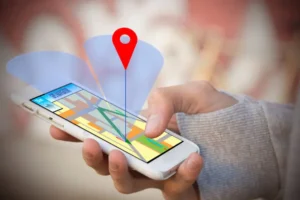
Think carefully before posting your live location. Sharing your whereabouts while you’re away from home can alert criminals that your property may be unattended.
7. Travel Plans
Avoid announcing upcoming trips before you leave. Instead, consider sharing your holiday photos after returning home to reduce potential security risks.
8. Personal Family Information
Be cautious when posting details about your children, elderly relatives, or family routines. Information such as school names, daily schedules, or medical conditions could compromise your family’s privacy and safety.
9. Confidential Work Information

Do not share sensitive workplace information, internal documents, customer data, or confidential projects online. Doing so could breach company policies and negatively affect your professional reputation.
10. Every Aspect of Your Personal Life
Not every personal experience needs to be shared publicly. Posting about relationship disputes, emotional situations, or private family matters can have lasting consequences for your reputation, career, and personal relationships.
Tips to Stay Safe Online
Protecting your privacy doesn’t mean avoiding social media altogether. Instead, practice safe online habits by:
- Regularly reviewing your privacy settings.
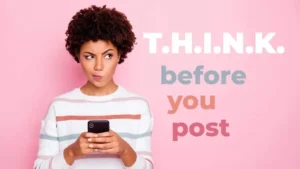
- Thinking carefully before sharing personal information.
- Accepting friend or follower requests only from people you know and trust.
- Enabling two-factor authentication on your important accounts.
- Remembering that deleting a post doesn’t necessarily remove it permanently from the internet.
Social media remains a valuable platform for communication, networking, and entertainment, but anything shared online can be difficult or even impossible to erase completely.
Being mindful of the information you post helps safeguard your identity, finances, reputation, and personal safety. Before sharing anything online, ask yourself one important question:
Would I be comfortable if this information remained public forever?
If the answer is no, it’s wiser to keep it private.