
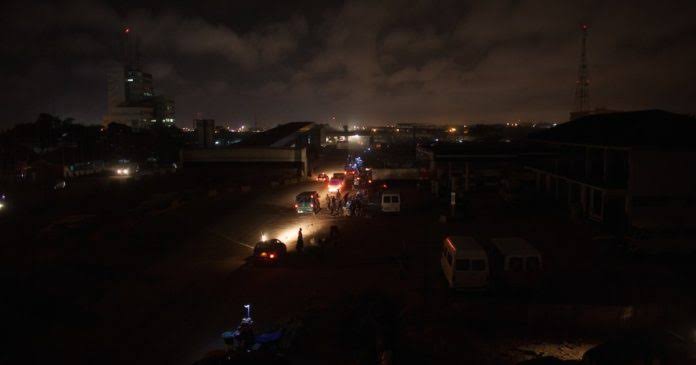
Power outages can occur without warning, making preparation the best way to minimise inconvenience and protect your family and property. By taking the right precautions before and during an outage, you can stay safe and reduce the risk of damage to your electrical appliances and food supplies.
Whether the interruption is caused by technical faults, severe weather, or broader power supply challenges, these practical tips can help you manage the situation effectively.
1. Stay Calm and Determine the Cause
When the electricity goes off, avoid making assumptions. Check whether neighboring homes are also without power. If the outage is not in your neighbor’s home, inspect your circuit breaker, fuse box, or prepaid meter to identify any internal issues.
If the entire neighborhood is affected, the problem is likely with the electricity distribution network.
2. Confirm and Report the Outage
Check official announcements from the Electricity Company of Ghana (ECG) or the Northern Electricity Distribution Company (NEDCo) to determine whether the outage is planned or the result of an unexpected fault.
If the outage is prolonged or appears to affect only your area, report it to your electricity provider. Providing accurate information, including your location and nearby landmarks, can help technicians respond more efficiently.
You can also stay updated through local radio stations, official social media pages, and community communication platforms.
3. Protect Your Electrical Appliances
Power restoration is often accompanied by voltage fluctuations that can damage electronic devices.
To reduce the risk of damage:
- Turn off and unplug televisions, computers, refrigerators, and other sensitive appliances.
- Leave one light switched on to indicate when electricity has been restored.
- Wait a few minutes after power returns before reconnecting your devices.
4. Keep Food Fresh
Extended outages can cause refrigerated food to spoil, especially in warm weather.
To preserve food:
- Keep refrigerator and freezer doors closed as much as possible.
- A closed refrigerator can usually keep food cold for up to four hours, while a full freezer may maintain safe temperatures for up to two days.
- If the outage is expected to last longer, move perishable items into an ice-filled cooler.
- Discard any food that appears unsafe to consume.
5. Use Alternative Lighting Safely
If you need emergency lighting, rechargeable lamps, flashlights, or battery-powered lanterns are safer than candles.
If candles must be used:
- Place them on stable, heat-resistant surfaces.
- Keep them away from curtains and other flammable materials.
- Never leave a burning candle unattended.
For households using generators, always operate them outdoors in well-ventilated areas and away from doors and windows to prevent carbon monoxide poisoning.
6. Keep Your Devices Charged
Your mobile phone is one of the most important tools during a power outage.
To stay connected:
- Charge your phone whenever electricity is available.
- Keep a fully charged power bank on hand.
- Consider having a battery-powered radio to receive updates if internet or mobile networks become unavailable.
7. Use the Time Productively
Although power outages can be frustrating, they can also provide an opportunity to spend quality time with family or complete activities that do not require electricity.
You can use the time to:
- Read a book.
- Play board or card games.
- Have conversations with family members.
- Organise household tasks.
- Relax outdoors while waiting for power to return.
Prepare Before the Next Outage
Power interruptions remain a challenge for many communities in Ghana, but proper preparation can significantly reduce their impact.
By staying informed, protecting your electrical appliances, preserving food, reporting faults promptly, and following basic safety precautions, you can manage outages more effectively and safeguard your household.
Being prepared before the lights go out is often the best way to stay safe and minimise disruption when the next outage occurs.