
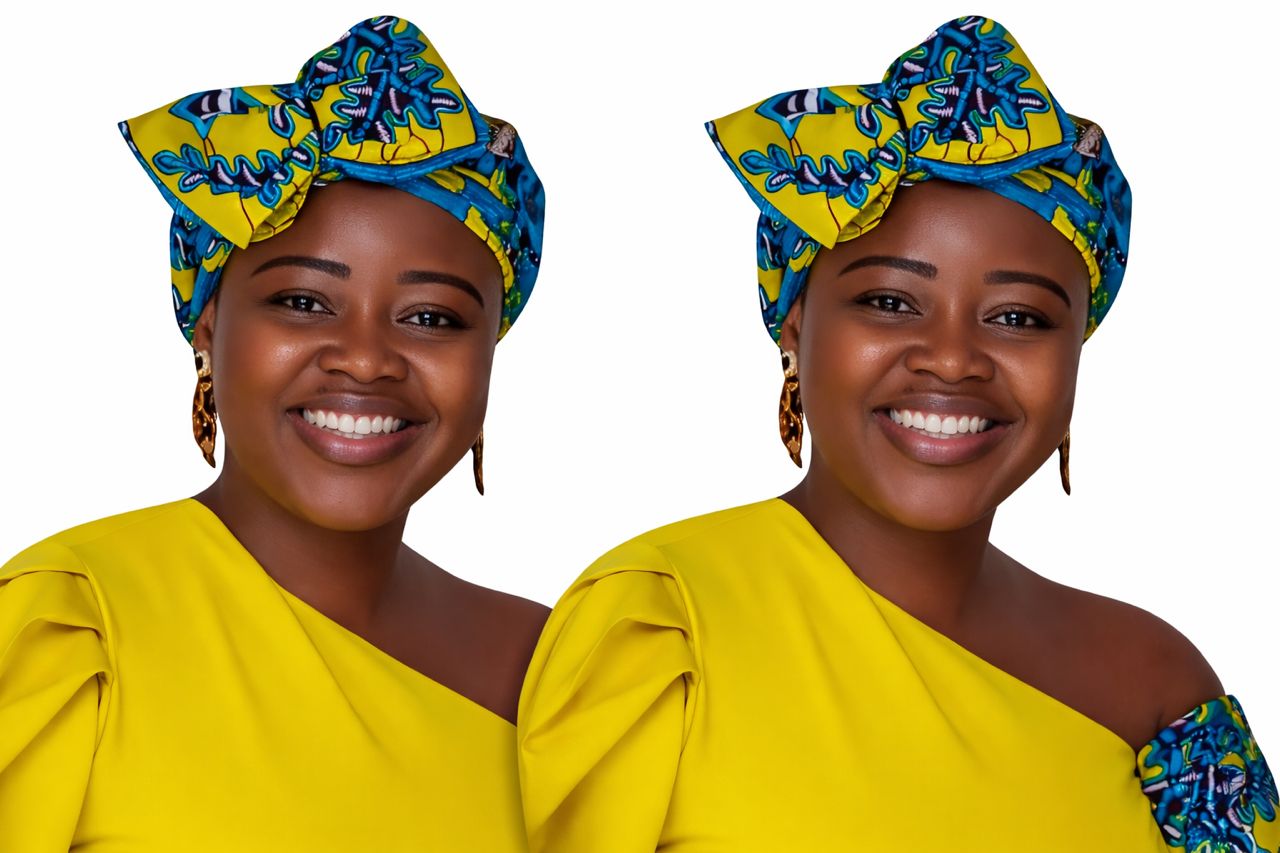
By: MsSark LifeCoach
Every year, thousands of children in Ghana sit for the BECE with fear, pressure, exhaustion, and anxiety. For many families, it feels like five days that determine a child’s future. But we must ask ourselves an honest question:
Has the BECE become more about passing exams than preparing children for life?
Today, a learner can sit for nearly 10 subjects under intense pressure simply to gain placement into SHS. That may have made sense decades ago when education systems were designed mainly to produce clerks, memorisers, and obedient workers. But this is 2026, not 1986.
The world has changed.
Children have changed.
The future has changed.
Yet our examination structure still behaves as if memorising many subjects equals intelligence.
It does not. Too Many Subjects, Too Little Understanding
Piling many subjects into one high-stakes examination does not automatically produce smarter children. In many cases, it produces the following:
- Rote learning instead of understanding
- Pressure instead of curiosity
- Memorization instead of creativity
- Fear instead of confidence
- Exhaustion instead of discovery
Many learners are not learning deeply anymore. They are simply trying to survive exams.

Teachers too are under pressure. Instead of teaching children how to think, solve problems, communicate, build character, manage emotions, innovate, farm, create businesses, or live responsibly, schools are forced into “finish the syllabus” mode.
Education becomes a race against time. Children memorise notes today and forget them tomorrow.
That is not true learning.
Examination Confers Importance
One painful truth in education is this:
What is examined becomes important. What is not examined is often ignored.
If BECE mainly rewards memorisation across many subjects, schools will naturally spend most of their energy drilling students for exams.
But if education truly values:
creativity
emotional intelligence
leadership
communication
practical skills
entrepreneurship
problem-solving
patriotism
discipline
teamwork
Then our assessment system must make room for them.
Right now, many schools barely have time for life training because examination pressure dominates everything.
Reduce the subjects, deepen the learning. Reducing BECE subjects does not mean reducing intelligence or lowering standards. In fact, it may improve standards.
A stronger proposal would be to focus BECE on 5 core areas:
1. Mathematics
2. English Language
3. Integrated Science
4. Ghanaian Language
5. General Paper (combining Social Studies, RME, Creative Arts, Career Awareness, Citizenship, Basic Technology, Digital Literacy, and practical reasoning)
This approach can still test broad understanding without overwhelming children with excessive examination burden.
Instead of scattering attention across many papers, students can build deeper mastery in foundational areas while schools gain time to teach life itself.
“But Children Need Broad Knowledge”
This is a valid concern.
Some people fear reducing subjects may weaken educational exposure. They argue that subjects like history, computing, creative arts, and technical skills are important.
They are right. Those areas are important. But here is the deeper issue:
‘Important’ does not always mean separately examinable at a high-stakes level.
A child does not become morally upright because RME was examined separately.
A child does not become innovative because creative arts had its own paper.
A child does not become digitally skilled because ICT was memorised for exams.
True understanding comes through practice, projects, discussion, exploration, mentorship, and real-life application, not merely through writing answers under pressure.
Some of the most important lessons in life cannot even be tested properly in a 2-hour examination hall. We Are Training Human Beings, Not Examination Machines
Many children today finish JHS unable to:
Communicate confidently
Solve real-life problems
Manage emotions
Think critically
Identify talents
Collaborate effectively
Understand money
Handle failure
Discover purpose
Yet they can recite definitions perfectly. This reveals a painful imbalance.
Education should not only prepare students to enter SHS. It should prepare them to enter life.
The purpose of BECE should not be reduced to school placement alone.
A nation cannot build its future merely on examination performance. It must build people.
Mental Health Matters Too
We must also speak honestly about the emotional burden many children carry.
Some learners study late into the night for months under fear:
fear of disappointing parents
fear of mockery
fear of poor placement
fear of failure
fear of comparison

At ages where curiosity and confidence should be growing, anxiety is growing instead.
A system that stretches children across too many examinable subjects may unintentionally reward endurance over understanding.
Children are human beings before they are candidates.
The Future Needs Different Skills
Artificial intelligence, automation, and global change are transforming the world rapidly.
Tomorrow’s successful young person may need:
Adaptability
Creativity
Communication
Leadership
Digital thinking
Emotional intelligence
Entrepreneurship
Innovation
Collaboration
These skills require time to nurture.
If schools are trapped in endless exam preparation, where will that time come from?
Reducing examination overload may create room for:
practical projects
clubs
leadership activities
vocational exploration
reading culture
debate
mentorship
agriculture
innovation labs
emotional development
That is how nations prepare future-ready citizens.
A Wise Nation Knows the Difference Between Education and Examination
Exams are important. Accountability matters. Standards matter.
But examinations must serve education — not imprison it.
A wise education system asks:
What kind of human beings are we producing?
Can they think independently?
Can they solve problems?
Can they lead?
Can they create?
Can they contribute meaningfully to society?
If the answer is no, then adding more subjects will not solve the problem.
Sometimes wisdom is not in adding more.
Sometimes wisdom is in simplifying better.
Reducing BECE subjects is not about making education easier. It is about making education wiser, deeper, healthier, and more relevant to life.
Because the true value of a child cannot be measured only by how many subjects they survive in five stressful days.
Written by: Alice Frimpong Sarkodie (MsSark LifeCoach)
Director – Nobel Heights School