

The Fetu Afahye festival in Cape Coast is a deeply significant cultural event celebrated annually on the first Saturday of September by the chiefs and people of the Oguaa Traditional Area, located in Ghana’s Central Region.
This vibrant festival is rooted in history, commemorating the triumph over a devastating plague believed to have once affected the Cape Coast community.
The term “Fetu” originates from the local phrase “Efin Tu,” which means “doing away with dirt,” symbolizing purification and renewal of the community.
Fetu Afahye not only marks a spiritual cleansing but also celebrates a bumper harvest from the sea, paying homage to the seventy-seven gods worshiped by the people of Oguaa.
Over the years, the festival has evolved to become a powerful symbol of unity, cultural pride, and social cohesion among the people of Cape Coast.
Historical Background and Significance
The origins of Fetu Afahye trace back centuries to a period during which Cape Coast suffered a severe plague.
The community sought divine intervention through their traditional gods, believed to have helped eradicate the disease.
To honor this deliverance and avert future calamities, the festival was instituted as a form of thanksgiving and spiritual cleansing. This originated the key ritual of “doing away with dirt,” linked to purification efforts during the festival season.
During colonial times, the festival faced suppression and was derogatorily labeled “Black Christmas” by British colonial administrators, reflecting their misunderstanding and disapproval of local customs.
However, through persistence and cultural resilience, the festival was reinstated between 1948 and 1996 and has since flourished as a potent representation of cultural identity.
Festivities and Rituals
Preparations for the festival begin weeks ahead, drawing visitors from across Ghana and abroad. A major ritual preceding the festival is the confinement of the Omanhen (paramount chief), who undergoes spiritual cleansing and seeks divine guidance.
The festival week is marked by a ban on drumming and fishing activities, setting a solemn tone for spiritual preparation.
Various traditional rites occur, including the pouring of libations to the seventy-seven gods worshiped locally, cleansing ceremonies, and community-wide clean-up days, known as “Amuntumadeze” or health day, aimed at purifying the town.
Another highlight is the vigil at Fosu Lagoon, where ancestral spirits are invoked for blessings and protection.
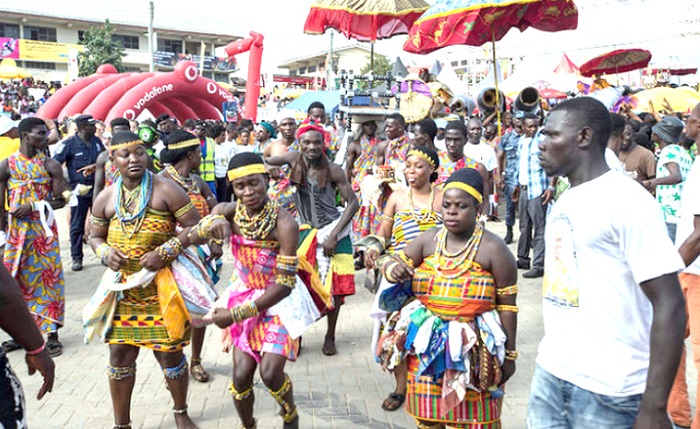
The climax occurs on the first Saturday of September with a grand durbar – a colorful and festive gathering where chiefs and their subjects, dressed in resplendent traditional attire, parade through the streets.
The Asafo companies, traditional warrior groups responsible for the security of the area, participate in vibrant processions featuring drumming, dancing, and flag-bearing.
This day also features traditional dances, musical performances, and the symbolic pouring of libations to usher the community into a peaceful and prosperous new year.
Cultural and Social Impact
Fetu Afahye serves multiple social functions—it acts as a cultural calendar signaling farming seasons and seafood harvest times, helping the community organize agricultural activities.
The festival fosters a strong sense of unity and belonging, bringing together families and friends from near and far for reunions and celebrations.
The festival’s activities promote cultural tourism, showcasing Cape Coast’s rich heritage through art, cuisine, dance, and traditional attire.
The festival also features competitions such as boat races, football matches, and masked performances that enhance community participation and joy.
The festival’s inclusive nature is highlighted by the joint religious service held the day after the durbar, where all Christian denominations unite to thank God for a successful celebration and peaceful year. This blending of traditional and Christian elements underscores the community’s cultural dynamism and adaptability.
Fetu Afahye 2025 Highlights
The 2025 edition of Fetu Afahye promises to be especially vibrant under the theme “Celebrating the City of Firsts; Our People, Our Future.” The festival will feature the traditional confinement rituals, health day, ancestral vigils, and the main durbar, expected to attract visitors nationwide and internationally.
Events will also spotlight local culinary specialties, craft exhibitions, and cultural displays emphasizing Cape Coast’s pioneering role in Ghana’s history and development. Visitors will have the opportunity to engage in guided tours of historical sites like the Cape Coast Castle, a UNESCO World Heritage Site, further enriching the festival experience.
Tourism and Experiential Opportunities
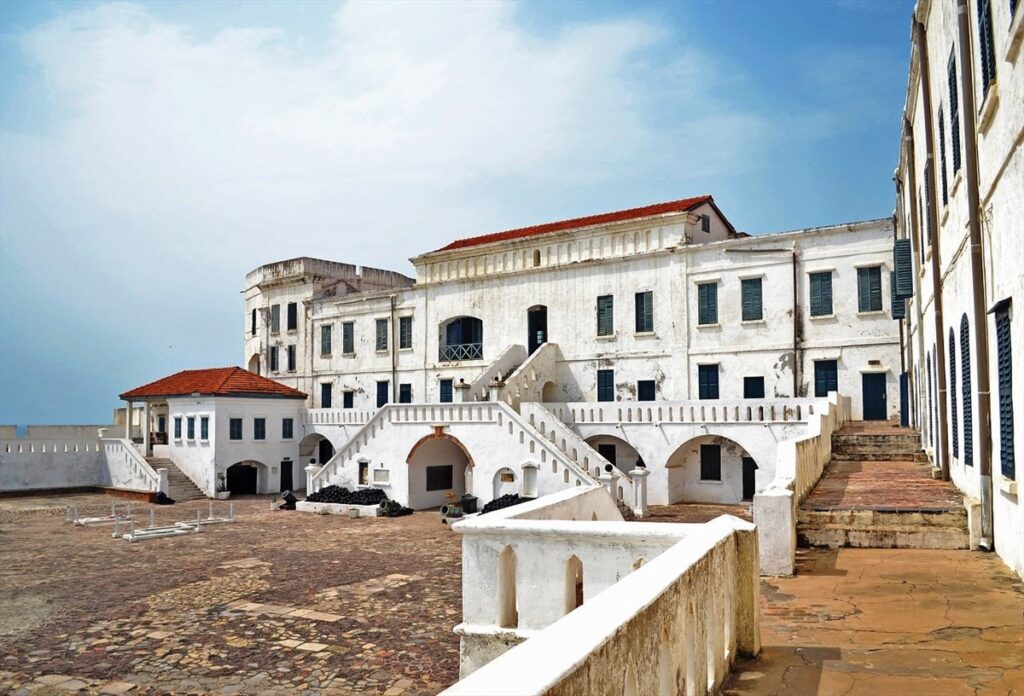
Fetu Afahye has become a cornerstone in Ghana’s cultural tourism calendar, with tour packages available encompassing festival attendance alongside visits to key landmarks in Cape Coast and the Central Region.
Tours often include cultural immersion activities like exploring traditional craft villages, experiencing the famous Kakum National Park canopy walkway, and visiting significant historical sites related to Ghana’s colonial past and the transatlantic slave trade.
Fetu Afahye 2025 in Cape Coast is much more than a festival; it is a reinvigoration of time-honored traditions and a celebration of community resilience, unity, and cultural pride.
The festival captures the essence of the Oguaa people’s heritage and invites all to partake in a joyful, spiritual, and culturally rich experience.
It is a testament to the enduring vibrancy of Ghanaian culture, preserving history while embracing the future with hope and festivity