
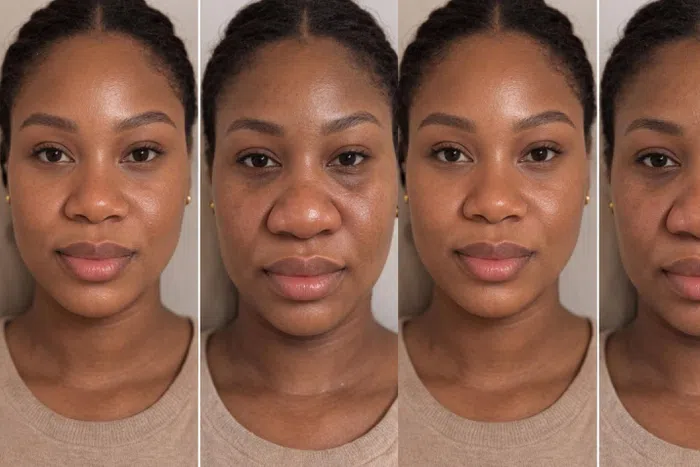
In recent months, trends on TikTok and other social media platforms have highlighted a surprising physical change some women notice during pregnancy: their noses appearing different before and after pregnancy.
While most people expect changes such as a growing belly, stretch marks, or glowing skin, some pregnant women report that their noses look wider, puffier, or slightly swollen.
This phenomenon has been popularly labelled “pregnancy nose” on social media. Although it may seem unusual, the change is real for some women and is usually temporary.
Increased Blood Volume and Circulation
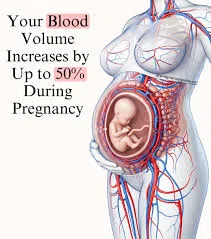
During pregnancy, one of the most significant internal changes is the increase in blood volume. A woman’s blood supply can rise by about 40 to 50 percent to support the developing baby and placenta.
This increased circulation helps deliver oxygen and nutrients but also affects blood vessels across the body.
The nose contains many tiny blood vessels. When blood flow increases, these vessels expand, which can make surrounding tissues appear fuller. As a result, the nose may look slightly larger or rounder.
However, this does not mean the nose is actually growing in structure it is simply swelling due to increased circulation.
Hormonal Changes, Especially Estrogen

Hormones also play a major role in many pregnancy-related body changes. Levels of hormones such as estrogen and progesterone rise dramatically during pregnancy. Estrogen, in particular, causes blood vessels to widen.
This widening of blood vessels can lead to facial puffiness, swelling around the cheeks, and a nose that appears broader than usual. Hormonal shifts can also make nasal tissues more sensitive, which may contribute to the noticeable change.
Fluid Retention
Another common feature of pregnancy is fluid retention. Many women experience swelling in areas such as the feet, ankles, and hands. However, excess fluid can also accumulate in the face.
When the body retains more water, soft tissues—including those around the nose—may swell. This can make the nose appear wider, particularly during the second and third trimesters.
Pregnancy Rhinitis
Some women also experience a condition known as pregnancy rhinitis. This refers to nasal congestion that occurs during pregnancy without being caused by a cold or allergies.
Hormonal changes can cause the nasal lining to swell, leading to symptoms such as a blocked nose, a runny nose, or mild facial pressure.
When swelling occurs inside the nasal passages, it can slightly alter the outward appearance of the nose as well.
Is the Change Permanent?
In most cases, the change does not last. After childbirth, hormone levels gradually return to normal, excess fluid leaves the body, and blood volume decreases.
As swelling subsides, the nose usually returns to its original appearance within a few weeks or months after delivery.
Every woman’s body responds differently, though. Some may notice small lingering changes, especially after multiple pregnancies, but significant permanent enlargement is uncommon.
When Medical Advice Is Needed
Mild swelling in the face during pregnancy is generally harmless. However, sudden or severe swelling, particularly if accompanied by high blood pressure, headaches, or vision problems should be taken seriously.
These symptoms could indicate pre-eclampsia, a potentially serious pregnancy complication that requires medical attention.
If facial swelling becomes extreme or concerning, consulting a healthcare professional is recommended.
Accepting Pregnancy Changes
Pregnancy involves major physical transformation as the body adjusts to support new life. A fuller-looking nose can simply be one of the many temporary changes that occur along the way.
Although it may surprise some women, understanding the science behind it can help ease concerns. In most cases, the change results from hormones, increased blood circulation, and fluid retention—and fades after pregnancy.
Ultimately, “pregnancy nose” is not a flaw but a small reminder of the body’s remarkable effort to nurture a growing baby.