
Guided by the Islamic lunar calendar, Ramadan requires adherents to refrain from eating, drinking, and other physical indulgences from dawn until sunset. Beyond abstinence, the month encourages increased devotion through prayer, charitable acts, and the cultivation of discipline and moral restraint.
In Ghana, the season also serves as an opportunity to reinforce family ties and deepen communal connections. Religious leaders have consistently stressed that Ramadan is not merely about going without food.
According to Sheikh Imran, a respected cleric in Madina, the period calls for sincere self-examination and compassion. He noted that fasting instills patience, empathy, and appreciation—qualities that positively influence both individuals and the wider community.
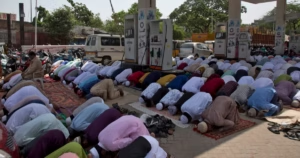
Across the country, markets and mosques have become more active as families prepare for the daily breaking of the fast, purchasing dates, fruits, and other essentials. Mosques are hosting special prayers and Qur’anic recitations, creating space for collective worship while observing necessary health and safety measures.
The month also underscores social responsibility. Many Ghanaian Muslims engage in acts of charity, distributing food and other necessities to vulnerable groups to ensure that everyone shares in the blessings of Ramadan.
Each evening at sunset, families and neighbors gather to break their fast with the iftar meal, a moment that reflects the spirit of unity, generosity, and shared faith that defines the holy month

A content creator, writer, blogger and digital marketer currently the Editor and writer at citixenrandy.com. Believes in hard work and keeps up with latest trending stories making rounds across the globe in all aspects, from politics, sports, entertainment, health, business etc