
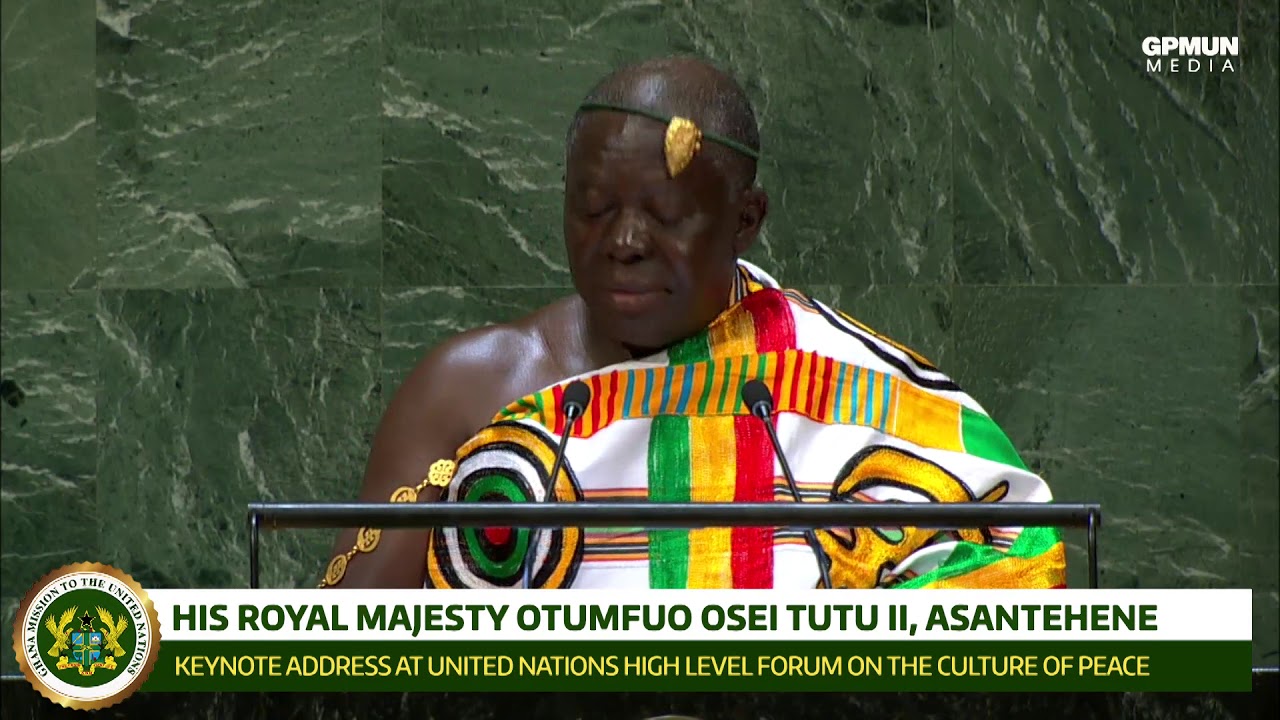
The Ashanti Kingdom, one of the most powerful and enduring traditional states in Africa, continues to hold a prominent place in global recognition.
Renowned for its rich culture, resilient history, and dynamic contribution to modern Ghana, the kingdom stands as a symbol of African strength and identity.
From its rise in the 17th century to its present role in Ghana’s national life, the Ashanti Kingdom remains an international reference point for cultural heritage, political influence, and socio-economic impact.
Historical Origins of the Ashanti Kingdom
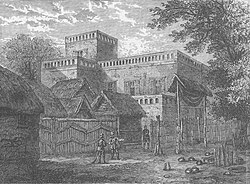
The roots of the Ashanti Kingdom trace back to the late 1600s when the Akan people under the leadership of Osei Tutu I established a centralized state.
Guided by his spiritual advisor, Okomfo Anokye, Osei Tutu united various clans through the symbol of the Golden Stool, which represented the soul of the Ashanti nation.
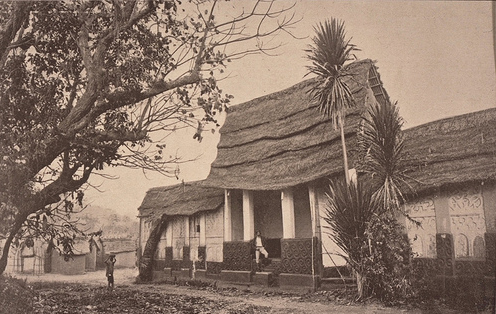
This stool not only held spiritual significance but also became the foundation of political legitimacy. By the 18th century, the Ashanti Kingdom had become a dominant power in West Africa, noted for its highly organized military, political system, and vast trading networks.
Military Strength and Global Recognition
The Ashanti Kingdom earned worldwide recognition during the colonial era through its resistance against European imperial powers, particularly the British. The Anglo-Ashanti wars, fought between 1824 and 1900, highlighted the kingdom’s bravery and military strategy.
Despite facing a global superpower, the Ashanti resisted domination for decades, earning admiration beyond Africa for their determination and tactical prowess.
Figures such as Yaa Asantewaa, the Queen Mother of Ejisu, became iconic symbols of African resistance, inspiring freedom movements across the continent. This legacy of defiance still resonates globally as a reminder of African resilience against colonialism.
Cultural Heritage and Symbolism

One of the strongest reasons for the Ashanti Kingdom’s global recognition is its vibrant culture and heritage.
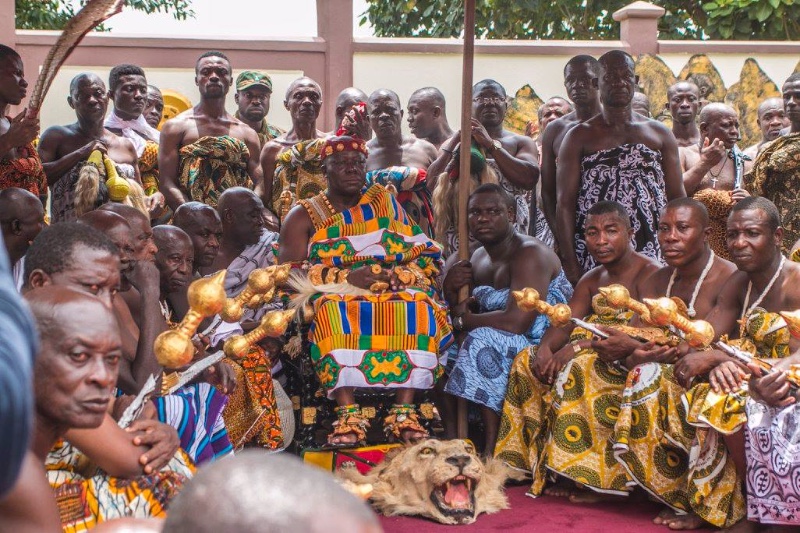
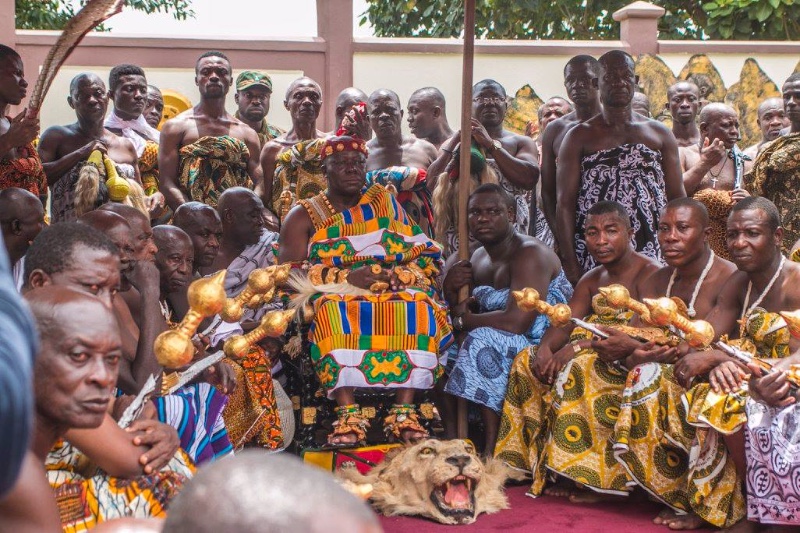
The Golden Stool remains a revered symbol of unity and identity, while the kingdom’s festivals, rituals, and traditions attract international interest. The Adae Kese festival, for instance, brings together thousands of Ashantis and tourists to witness rich displays of history, music, and regalia.
Additionally, Kente cloth, originally woven by Ashanti craftsmen, has transcended borders to become an international fashion statement, worn by leaders, celebrities, and dignitaries around the world. These cultural exports reinforce the global awareness of Ashanti traditions.
The Ashanti Monarchy in the Modern Era
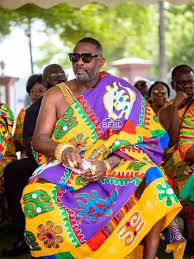
Unlike many African kingdoms that lost their relevance after colonial rule, the Ashanti monarchy has retained its influence. Today, the Asantehene, currently Otumfuo Osei Tutu II, is not only a cultural leader but also a mediator in national politics, a development advocate, and an international statesman.
His role in promoting education, peace, and diplomacy has earned him respect in Ghana and abroad. The monarchy’s ability to blend tradition with modern governance ensures that the Ashanti Kingdom remains globally respected.
Economic Contributions of the Ashanti Region
Another factor cementing the global recognition of the Ashanti Kingdom is its economic significance. The Ashanti Region is the hub of Ghana’s gold production, historically referred to as the “Gold Coast.” For centuries, Ashanti gold attracted European traders, shaping global trade networks.
Even today, gold from the Ashanti Region continues to influence Ghana’s economy and global markets. Kumasi, the capital of the kingdom, has also grown into a major urban center, contributing to commerce, education, and cultural tourism.
Impact on Ghana as a Nation
The Ashanti Kingdom has played a critical role in shaping Ghana’s national identity. Its history of unity, resistance, and resilience is taught across schools and celebrated in Ghanaian literature and art.
Politically, the Ashanti traditional council continues to serve as a stabilising force, promoting peace during elections and national crises.
Culturally, symbols like Kente, Adinkra, and the Golden Stool project Ghana’s identity to the world. The pride associated with the Ashanti Kingdom enhances Ghana’s global cultural diplomacy, attracting tourists, researchers, and investors.
Global Recognition Through Education and Diplomacy
The Ashanti Kingdom is also recognized worldwide through education, cultural diplomacy, and international partnerships. The Manhyia Palace has become a center for cultural preservation, welcoming scholars and dignitaries from across the globe.
The Asantehene’s initiatives in education, including the Otumfuo Education Fund, have impacted thousands of lives, positioning the kingdom as a promoter of knowledge and human capital development. Additionally, the Ashanti monarchy’s engagement with international organizations ensures that the kingdom remains visible and respected beyond Africa.
The global recognition of the Ashanti Kingdom is no accident. It is rooted in centuries of resilience, cultural wealth, and forward-looking leadership.
From its powerful beginnings under Osei Tutu I to its modern-day role under Otumfuo Osei Tutu II, the Ashanti Kingdom continues to stand as a beacon of African pride and influence.
Its legacy of resistance against colonialism, its vibrant cultural heritage, and its enduring contributions to Ghana’s national development secure its place on the world stage.
As the kingdom evolves with time, it not only preserves its past but also shapes the future, ensuring that the Ashanti name remains known worldwide.