
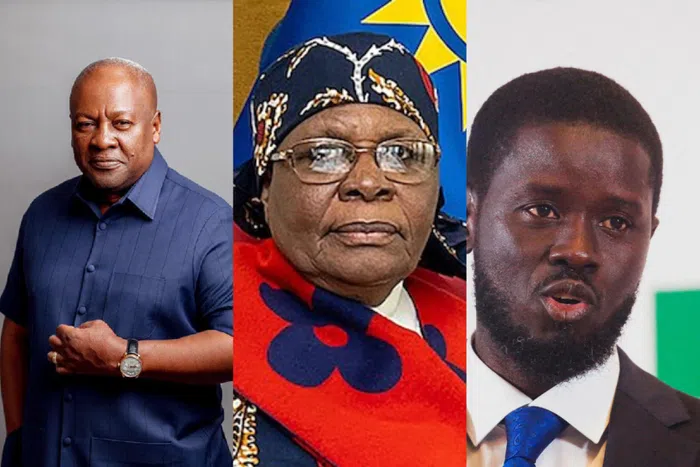
Explore the leading African nations for governance in 2026, based on the World Economics Governance Index.
These countries stand out for stability, transparency, and strong institutions that support economic growth and public trust.
Cabo Verde, Mauritius, and Namibia lead the 2026 rankings, reflecting consistent political stability, effective leadership, and institutional strength.
Ghana places sixth, recognised for its democratic progress and reforms, although some governance gaps remain.
Overall, the rankings emphasise that strong institutions and accountability are essential drivers of development.
Governance remains central to national progress, influencing investment, economic expansion, and social cohesion. The index assesses countries using indicators such as policy effectiveness, regulatory quality, and accountability systems, assigning scores, grades, and global rankings.
Below is a breakdown of Africa’s top 10 performers and what sets them apart:
1. Cabo Verde
Cabo Verde ranks first with an A grade and a governance score of 74.0. The country is widely recognised for political stability, credible elections, and a strong judicial system.
Public sector reforms and accountability measures have enhanced service delivery and public confidence, proving that smaller nations can achieve high governance standards.
2. Mauritius
Mauritius comes second with a B grade and a score of 68.4. Its governance model supports economic growth through strong legal systems, low corruption, and efficient regulation, making it a hub for investment and trade.
3. Namibia
Namibia ranks third with a score of 65.0. Since independence, it has maintained stability and institutional strength. Its structured governance and policy consistency have supported long-term economic confidence, despite inequality challenges.
4. South Africa
South Africa takes fourth place with a score of 62.3. Backed by a strong constitution and independent judiciary, the country remains a governance leader, though corruption and service delivery issues highlight areas for improvement.
5. Botswana
Botswana ranks fifth with a score of 61.1. Known for fiscal discipline and transparency, it has built a reputation for consistent policies and accountable leadership since independence.
6. Ghana
Ghana holds sixth place with a score of 60.2. It is praised for democratic stability, credible elections, and strengthened institutions. However, challenges such as public financial management and rural service delivery still need attention.
7. Senegal
Senegal ranks seventh with a score of 54.0. Gradual improvements in governance, electoral processes, and anti-corruption efforts have strengthened its institutional framework over time.
8. Malawi
Malawi comes eighth with a score of 50.7. While progress is slower, ongoing reforms in transparency and administration, supported by international partnerships, show commitment to better governance.
9. Sierra Leone
Sierra Leone ranks ninth with a score of 48.0. Despite its history of conflict and health crises, the country is working to strengthen institutions, improve accountability, and decentralise governance.
10. The Gambia
The Gambia rounds out the list with a score of 47.6. Transitioning from authoritarian rule, it is making steady progress through democratic reforms, judicial independence, and anti-corruption initiatives.
Key Takeaways from Africa’s Governance Leaders
Africa’s top-performing countries show that strong leadership, transparent systems, and institutional resilience are achievable across different contexts.
Their progress highlights the importance of accountability, stability, and reform-driven policies in shaping sustainable development and economic growth across the continent.
Source: pulse.com.gh