
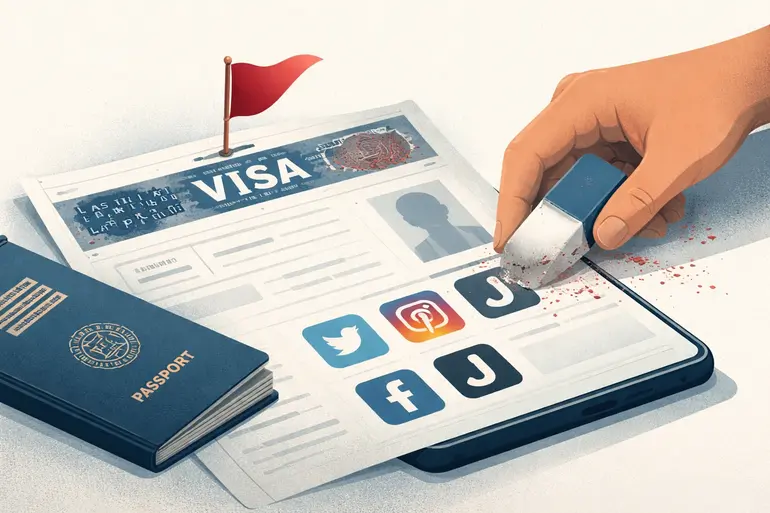
Your activity on social media could now play a major role in whether your visa application is approved or denied.
Posts, comments, hidden accounts, and inconsistencies across platforms such as Instagram, Facebook, X, TikTok, and LinkedIn may attract scrutiny from immigration officials.
Visa assessments are no longer based solely on documents, interviews, or financial records. Many countries, especially the United States, have expanded their screening procedures to include applicants’ online presence as part of security and background checks.
Authorities may examine social media content to identify contradictions, suspicious behaviour, or potential security concerns. In some cases, applicants are even required to make their profiles public during the review process.
Here are some ways social media activity could negatively affect a visa application:
1. Conflicting Information
Immigration officers often compare online activity with details provided in visa applications. If an applicant claims to be travelling for studies, tourism, or work, but social media posts suggest plans to overstay, work illegally, or engage in different activities, it could raise concerns about credibility.
2. Security-Related Content
Posts or interactions viewed as supporting violence, extremism, criminal conduct, or threats may trigger additional checks. Authorities say these measures are intended to identify applicants who may pose risks to public safety or national security.
3. Undisclosed or Fake Accounts
Some visa applications require individuals to provide details of social media accounts used over previous years. Failing to disclose accounts, using false information, or hiding profiles may be treated as dishonesty or misrepresentation.
4. Suspicious Online Behaviour
Content involving fraud, hate speech, harassment, illegal activities, or other questionable conduct could hurt approval chances. Even jokes, memes, or comments taken out of context may create problems if interpreted negatively by officials.
5. Limited Privacy Protection
Private accounts may no longer guarantee privacy during the visa process. Certain applicants may be asked to temporarily make their profiles accessible for screening, allowing immigration officers to review publicly available content before making decisions.
To reduce potential issues before applying for a visa, applicants are encouraged to review older posts, ensure their online information matches their application details, avoid misleading statements about immigration plans, and honestly disclose required social media accounts.
As digital screening becomes more common, social media profiles are increasingly viewed as part of an applicant’s overall identity.
While a single post may not automatically lead to rejection, online activity that appears dishonest, risky, or inconsistent could influence the outcome of a visa application