
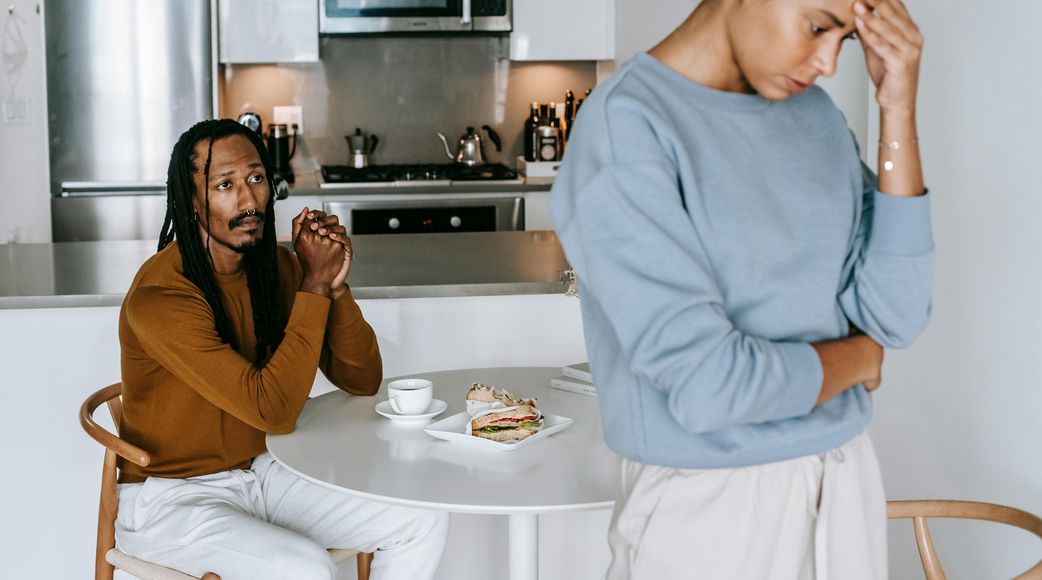
There will be times in every relationship, whether they have been together for months or decades, when one spouse makes mistakes.
Misunderstandings, careless comments, or unmet expectations can all harm the other person, sometimes severely.
While a simple “I’m sorry” might go a long way, how you apologise is frequently what makes the biggest difference. A meaningful, well-thought-out apology demonstrates not just that you regret your behaviour, but also that you genuinely care about your spouse and the relationship.
Here are ten innovative, meaningful, and psychologically successful methods to say sorry that will relieve stress, repair trust, and enhance your emotional link. Creative Ways to Apologise to Your Partner
- Write a handwritten letter.
In an age where most messages are transmitted via short texts or emojis, a handwritten letter has value. It forces you to slow down, organise your ideas, and make a genuine effort with your words.
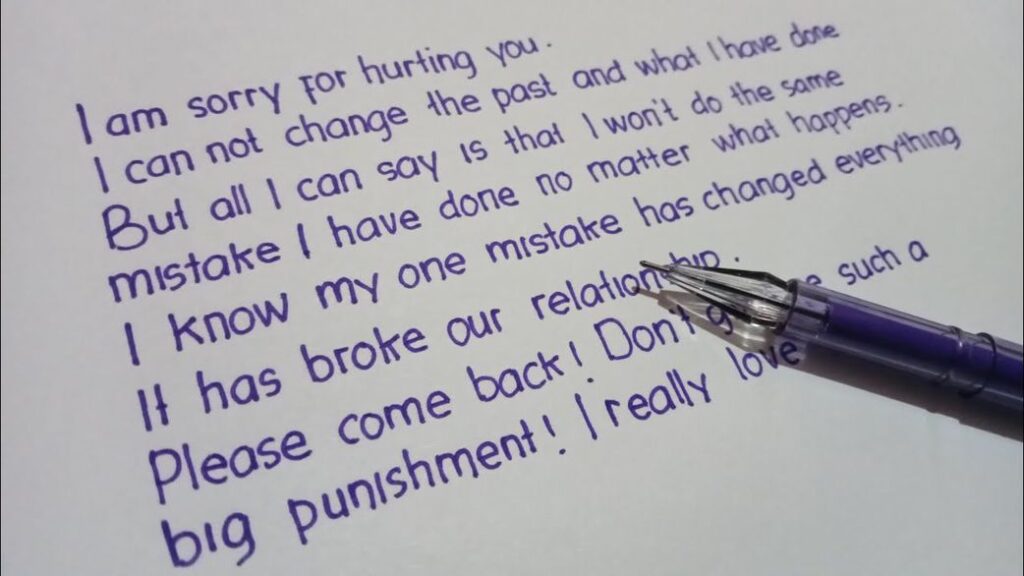
When you write, recognise exactly what you did wrong, validate your partner’s feelings, and explain how you plan to improve. According to relationship experts, tangible apologies those that can be read and reread help couples handle dispute more effectively because they serve as a physical reminder of guilt and commitment.
- Purchase Flowers With Intentional Meaning
While flowers are a traditional love gesture, their meaning can enhance an apology. Instead than reaching for the nearest bouquet, learn about the meanings behind each flower. For example, white tulips express forgiveness, roses symbolise love, and peonies represent healing and compassion.
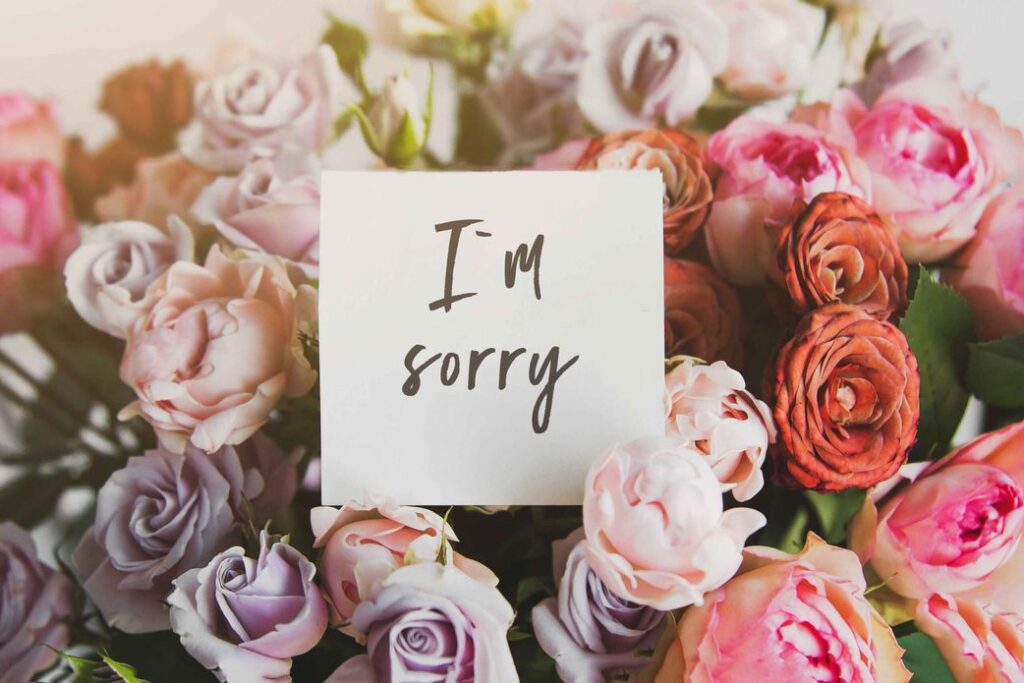
Pair the arrangement with a handwritten card explaining why you selected each flower. This adds a thoughtful layer that says, “Not only did I apologise, but I also made sure the gesture told a story.”
- Plan a surprise experience they will enjoy.
Sometimes words fail to heal, but actions can. Planning an experience based on your partner’s preferences demonstrates your attentiveness and willingness to put in the time and effort to get things right.

It may be supper at a restaurant they’ve always wanted to try, a weekend picnic in their favourite park, or a creative date like pottery or painting. Positive shared experiences can help change the emotional tone in a partnership from conflict to connection.
- Create a “Memory Jar”
A memory jar is simple but emotionally powerful. Fill a jar with handwritten notes that recall shared good events, milestones, or small things you admire in your relationship.
When they pick up a note, they are reminded of your bond, making your apology feel more based in reality than just the mistake. Therapists frequently suggest actions like this to revive emotional warmth following disagreements.
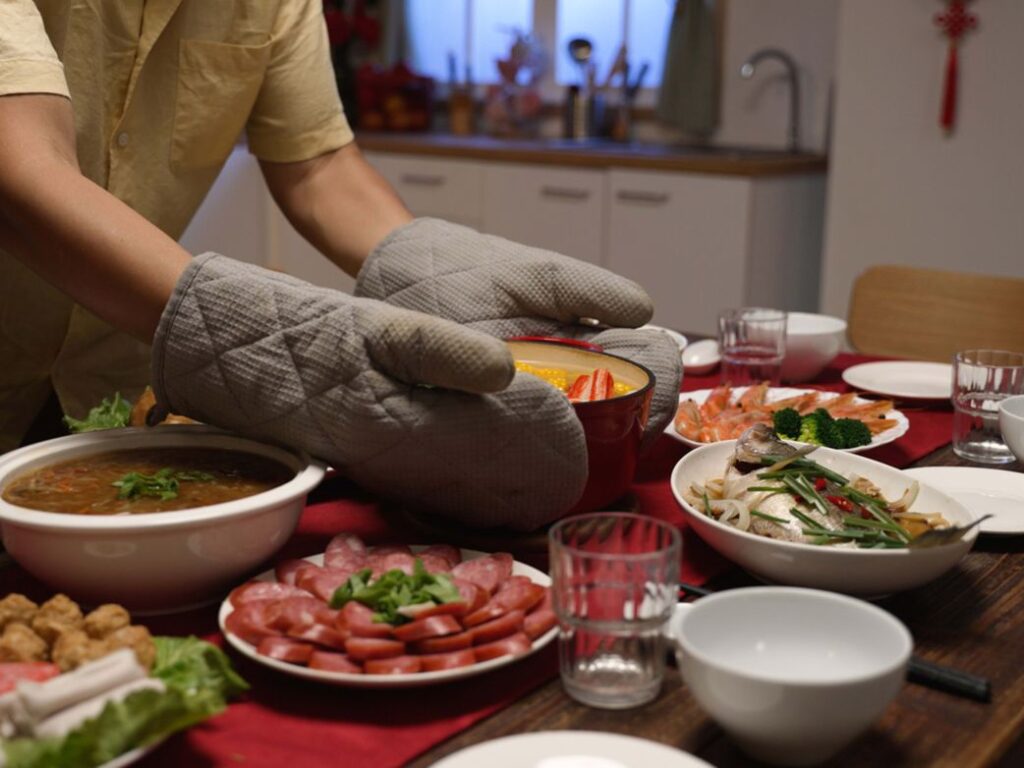
- Cook their favourite meal.
Food is one of the most personal ways to nourish someone. Cooking your partner’s favourite dish, even if you don’t cook much, demonstrates a willingness to go above and beyond for their well-being.

Create an environment with candles, calm music, and a beautifully laid table. Even if the outcome isn’t flawless, the fact that you tried demonstrates concern and humility, both of which are required for an effective apology.
- Create a heartfelt video message.
If you find it difficult to communicate your apology in person, shooting a video helps you to do it without interruptions or defensive reactions.

It conveys tone, facial expressions, and sincerity significantly better than writing. Your spouse can watch it in their own time, allowing them to absorb your comments without feeling obligated to answer right away.
- Present a thoughtful book or gift with a personal note.
Choose a gift that matches your partner’s interests perhaps a book by their favourite author or an item related to a common hobby and include a handwritten note inside or attached.

The present becomes more than just a token; it serves as a link between your apology and their joy. According to research, individualised gifts have a higher emotional impact than pricey but generic ones.
- Make a Personalised Playlist
Few things have the ability to evoke emotions like music. Create a playlist of songs that tell the tale of your relationship or reflect your emotions. Include tracks that bring back memories of happier times, as well as songs that express regret, understanding, and optimism for the future.

The work put into curating such a playlist demonstrates intentionality and emotional vulnerability.
- Create a poem, story, or artwork.
For the creatively inclined, expressing your regret through a poem, short tale, painting, or illustration can be a powerful gesture. The creative process itself demonstrates that you’ve spent time considering your acts and their consequences.
Artistic apologies are also distinctive; they are memorable and can be remembered for years.
- Offer acts of service.
The best apology isn’t always a gift or words; it can also be action. Doing something to reduce your partner’s daily stress demonstrates your willingness to put them first.
It could be completing chores they loathe, fixing something around the house, or running errands they’ve been putting off.
Acts of service speak the language of love to many individuals and help heal emotional wounds via consistent care.
Apologies are more than just an acknowledgement of wrongdoing; they are opportunities to restore trust, strengthen connection, and demonstrate to your spouse that they are worth the effort.
The most effective apologies incorporate honesty, empathy, and inventiveness, transforming tense circumstances into opportunities to strengthen the relationship.