
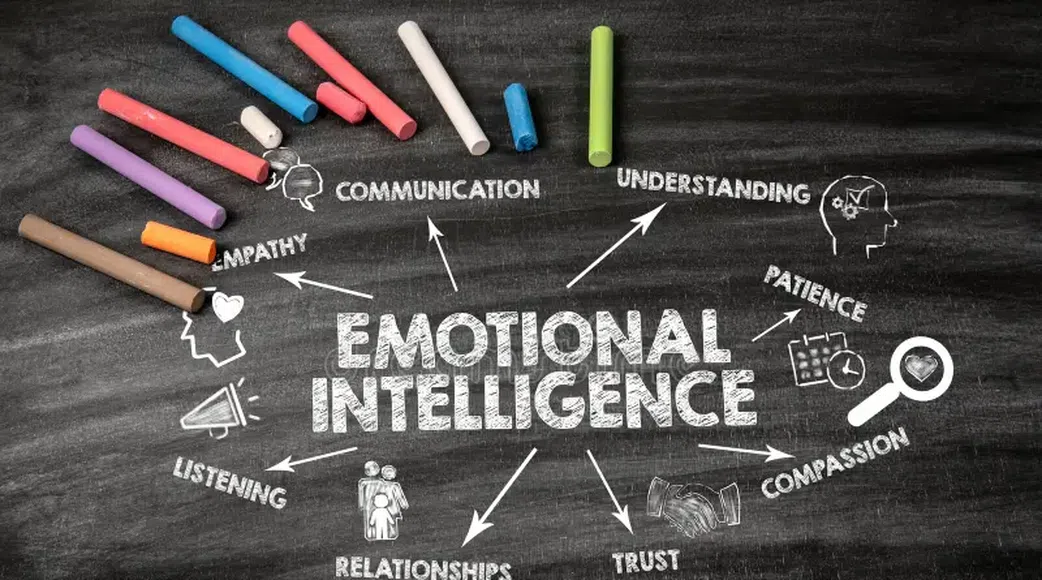
Emotional intelligence (EI) has become one of the most sought-after personal qualities in modern life, used not just to strengthen relationships but also to navigate the job, resolve conflicts, and boost self-esteem.
Unlike IQ, which is relatively fixed, deliberate effort and self-reflection can improve emotional intelligence. Here are ten specific, concrete suggestions to enhance it.
Effective Ways to Develop Emotional Intelligence
- Develop deep self-awareness.
Self-awareness is the basis for emotional intelligence. It’s about understanding your emotional triggers and behavioural patterns, as well as how your mood impacts people around you. This is more than just knowing you’re “in a bad mood”; it’s about understanding why and what caused it.

Keeping a reflective notebook, for example, can help you keep track of when you’ve felt frustrated, anxious, or overjoyed. Over time, you’ll notice trends, such as how specific situations or people consistently affect your moods. The better you grasp these patterns, the more power you’ll have over your responses.
- Practice Genuine Active Listening.
Active listening involves more than just nodding and saying “I see.” It means giving your whole attention and avoiding the desire to plan your response while the other person is still speaking. This includes observing their body language, picking up on tone alterations, and even noticing pauses in their speech.

Listening in emotional intelligence entails understanding rather than simply hearing. Paraphrasing what someone has said back to them is a good practice since it makes them feel acknowledged and allows you to guarantee you understand accurately.
- Understand how to manage stress before it manages you.
Stress is unavoidable in life, but how you deal with it might determine whether or not you maintain emotional control. Emotionally competent people do not allow stress control their words or behaviour.
Deep breathing, taking brief walks, and practicing mindfulness are all practical ways for lowering stress. The goal is not to completely eliminate stress, but to maintain an emotional equilibrium that allows you to behave intelligently rather than impulsively.
- Develop your empathy muscle.
Empathy is the ability to comprehend and share another person’s emotional condition, and it is a critical component in developing trust. It requires you to temporarily step outside of your own perspective.
For example, instead of becoming annoyed when a coworker misses a deadline, consider what they may be going through. Empathy does not excuse inappropriate behaviour; it does imply responding with a level of understanding that promotes solutions rather than hatred.
- Expand and refine your emotional vocabulary.
The difference between “I’m upset” and “I’m feeling undervalued” is significant. Specificity in describing your feelings enables you to articulate them more effectively and discover the best answers.
The English language has an extensive emotional vocabulary, ranging from happy to resentful, anxious to disillusioned. Being specific not only helps others understand you better, but it also gives you greater clarity when processing your own emotions.
- Master Self-Regulation
Self-regulation is the ability to pause and reflect before reacting, particularly in emotionally intense situations. This ability can avert irreversible harm in both personal and professional relationships.

For example, rather of responding immediately to a frustrating email, wait until your first emotional reaction has subsided before responding thoughtfully. It’s about taking charge of your emotions rather than allowing them to dominate you.
- Seek Feedback without Defensiveness.
An emotionally intelligent person aggressively seeks constructive criticism and uses it to fuel personal progress. Instead of feeling attacked, they see feedback as a mirror that shows how others perceive them.
When someone points out that you seemed dismissive or impatient, resist the desire to defend yourself right away. Instead, consider: “Could there be truth in that?” This openness not only helps you progress, but it also communicates maturity to others.
- Approach conflict as an opportunity.
Most people avoid disagreement, but emotional intelligence urges you to lean in—not to exacerbate tensions, but to find a solution. This entails employing “I” statements, focussing on the problem rather than the individual, and being open to compromise.

For example, “I feel overwhelmed when deadlines are missed because it affects my schedule” is more productive than “You’re always late”.
- Make Gratitude a daily habit.
Regularly expressing appreciation strengthens relationships and rewires your brain to focus on happiness. Gratitude can be as easy as thanking a coworker for their contribution during a meeting or telling a buddy how much you value their support.

This adjustment in emphasis alleviates sentiments of envy and anger while enhancing life pleasure.
- Commit to lifelong learning.
Emotional intelligence is a skill set that must be refined on an ongoing basis. Read books about emotional intelligence, attend workshops, or even take online courses. Most essential, put what you’ve learnt into practice. With each new interaction, you have the opportunity to develop empathy, regulate emotions, and strengthen relationships.

Emotional intelligence is frequently the unseen ingredient underlying successful relationships, effective leadership, and personal happiness.
By intentionally increasing self-awareness, empathy, and emotional control, you may improve your interactions while also navigating life’s problems with resilience and grace.