
Many households unknowingly incur high electricity costs due to everyday appliances that consume significant amounts of power.
Understanding which devices use the most energy can help homeowners adopt more efficient habits, reduce waste, and lower monthly utility bills.
Energy experts identify appliances such as air conditioners, refrigerators, water heaters, and other high-powered devices as some of the largest contributors to household electricity consumption.
They also caution that leaving appliances on standby and excessive use of energy-intensive gadgets can substantially increase power usage.
READ MORE: 6 signs you are emotionally intelligent
To improve energy efficiency, households are encouraged to invest in energy-saving appliances and disconnect devices from power sources when they are not in use.
Air Conditioners and Water Heaters
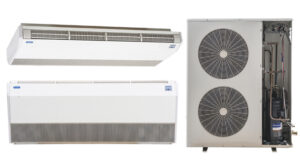
Air conditioners rank among the highest electricity-consuming appliances in many homes, particularly when operated for extended periods without regular maintenance. Their energy usage can increase further when doors and windows are left open, forcing the unit to work harder to maintain indoor temperatures.
Similarly, electric water heaters consume large amounts of electricity because they continuously heat water to maintain the desired temperature.
Refrigerators
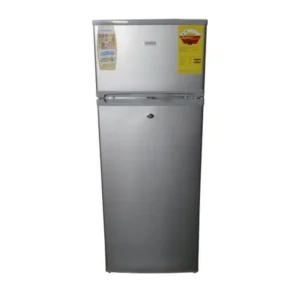
Although refrigerators may not appear to be major energy users, their continuous operation throughout the year makes them one of the largest consumers of electricity in any household.
Most refrigerators run 24 hours a day, every day of the year. While modern energy-efficient models consume less power, older units generally require more electricity to maintain cooling temperatures, leading to higher long-term energy costs.
Electric Irons

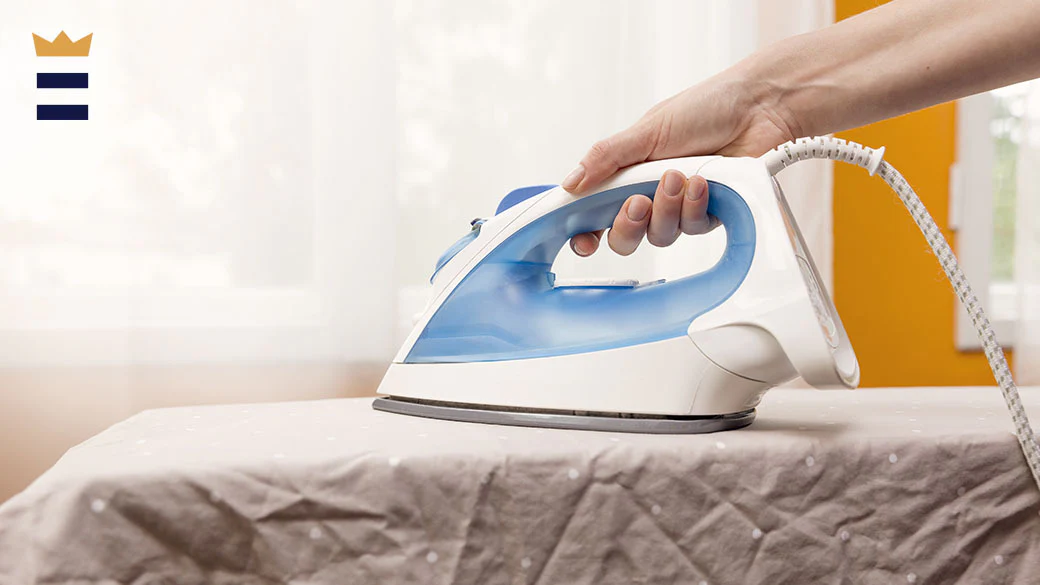
Electric irons are among the most energy-intensive household appliances because they convert electricity directly into heat. Most irons require between 1,000 and 2,400 watts of power during operation, resulting in high electricity consumption within short periods.
READ MORE: WHO declares Ebola outbreak in DRC, Uganda health emergency
Microwave Ovens
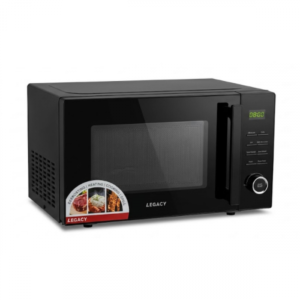
Microwave ovens use considerable energy because they generate high-frequency waves that rapidly heat food by exciting water molecules. Although they typically operate for short durations, their power demand can range from 800 to 1,800 watts, making them significant energy users while in operation.
Electric Kettles
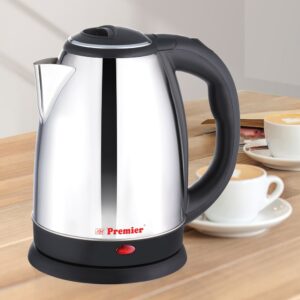
Electric kettles are designed to bring water to a boil within minutes, a process that requires substantial electrical power. Depending on the model, kettles can draw between 1,500 and 3,000 watts, placing them among the highest-wattage appliances commonly found in kitchens.
Washing Machines
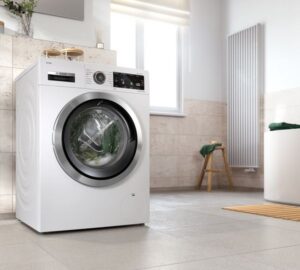
Washing machines consume electricity through both mechanical and heating functions. Energy is used to rotate the drum and, more significantly, to heat water during wash cycles.
Depending on the settings and model, a washing machine can consume between 500 and 2,500 watts per cycle, with water heating accounting for the majority of energy usage.
Clothes Dryers
Clothes dryers are among the most power-hungry appliances in a home because they combine intense heat with continuous drum movement to remove moisture from clothing.
A typical dryer can consume between 2,000 and 6,000 watts per load, making it one of the highest energy-consuming household appliances.
Gaming Consoles

Modern gaming consoles feature advanced processors and graphics systems capable of delivering high-performance gameplay and detailed visuals. As a result, they can consume substantial amounts of electricity during extended gaming sessions.
Popular consoles such as the PlayStation 5 and Xbox Series X generally use between 150 and 220 watts while in operation.
Large Television Sets
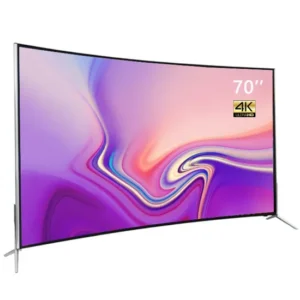
Large-screen televisions require considerable energy to power millions of pixels and maintain high-definition displays. Depending on size and technology, a 65-inch to 75-inch television may consume between 100 and 300 watts while switched on.
Extended periods of gaming, streaming, or television viewing can therefore contribute significantly to household electricity consumption.
Desktop Computers
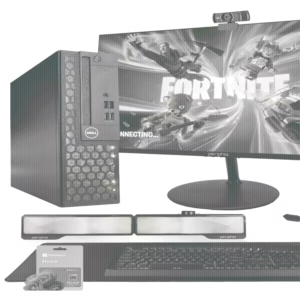
Desktop computers typically consume more electricity than laptops because they rely on separate high-performance components designed for maximum processing power rather than energy efficiency.
Power consumption varies widely depending on hardware specifications and usage, ranging from about 60 watts to more than 800 watts. In addition, leaving multiple chargers plugged in continuously can gradually increase overall electricity usage.
Tips for Reducing Electricity Bills
To minimise energy consumption and reduce electricity expenses, households should consider the following measures:
-
Unplug appliances and chargers when not in use.
-
Invest in energy-efficient appliances and electronics.
-
Use energy-saving light bulbs.
-
Maintain appliances regularly to ensure optimal performance.
-
Limit unnecessary use of high-power devices.
-
Replace outdated appliances with newer, energy-efficient models where possible.
By adopting these energy-saving practices, households can significantly reduce their daily, monthly, and annual electricity costs while promoting more sustainable energy consumption.