

Accra, Ghana’s capital city, continues to grapple with persistent flooding during the rainy season, a challenge that has intensified due to rapid urban expansion, poor drainage infrastructure, and unregulated developments in vulnerable areas.
The city typically experiences its major rainy season between April and July, with a second peak occurring around October. During these periods, heavy rainfall frequently triggers floods in several communities, causing property damage, traffic disruptions, and, in some cases, loss of lives.
Recent downpours have already left parts of Accra submerged, claiming four lives and displacing numerous residents. With the Ghana Meteorological Agency forecasting more rainfall in the coming days, authorities are urging the public to remain vigilant and avoid flood-prone locations.
To help residents stay safe, here are seven areas in Accra that are particularly susceptible to flooding during periods of heavy rainfall.
1. Ofankor
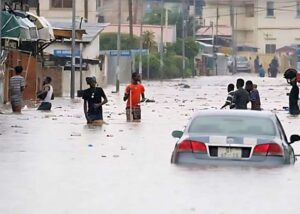
Ofankor remains one of the most flood-prone communities in Accra, especially along the busy N1 Highway. The Ofankor Barrier area often becomes inundated after prolonged rainfall, leading to severe traffic congestion and making movement difficult for both motorists and pedestrians.
Flash floods in previous years have submerged vehicles and disrupted transportation activities, highlighting the area’s vulnerability during the rainy season.
2. Weija

Weija’s location near the Weija Dam and the Densu River places it at significant risk of flooding. The situation often worsens when authorities are compelled to spill excess water from the dam during periods of intense rainfall.
Several homes and businesses have previously been affected by floodwaters in the area, despite ongoing efforts to improve drainage channels and dredge waterways.
3. Kasoa

Although situated on the outskirts of Greater Accra, Kasoa frequently experiences flooding following heavy rains. Rapid urbanisation, coupled with inadequate drainage infrastructure, has increased the area’s susceptibility to water accumulation.
Flooded roads often create massive traffic congestion and disrupt economic activities, affecting thousands of commuters and residents.
4. Kwame Nkrumah Circle

Kwame Nkrumah Circle, commonly known as ‘Circle’, remains one of the most notorious flood hotspots in Accra. As one of the city’s busiest commercial and transportation centres, flooding in the area can have widespread consequences.
Its low-lying landscape and drainage challenges often result in significant water accumulation during heavy rains. The area is also remembered for the tragic June 2015 disaster, where flooding contributed to a deadly fuel station explosion.
5. East Legon Hills
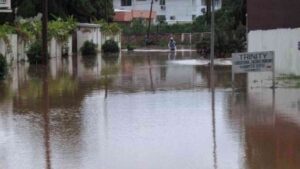
The rapidly developing East Legon Hills community has increasingly become vulnerable to flooding. Unplanned construction activities and inadequate drainage systems have contributed to recurring waterlogging in some parts of the area.
Recent rains left several homes affected, with residents reporting flooded compounds, leaking roofs, and damaged property.
6. Pantang
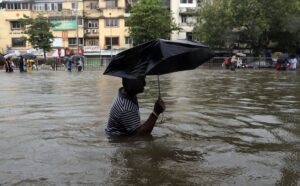
Pantang, located along the Accra-Aburi Highway, frequently experiences flooding due to its terrain and ongoing urban development. Heavy rainfall often leads to overflowing drains and waterlogged roads, creating transportation challenges for residents and commuters.
Without significant infrastructure improvements, the area remains at risk during periods of intense rainfall.
7. Akweteyman
Akweteyman has emerged as another flood-prone community within the capital. Residents regularly contend with overflowing drains, flooded streets, and restricted movement whenever heavy rains occur.
The recurring flooding has become a major concern for households and businesses operating within the area.
Staying Safe During the Rainy Season
Flooding continues to pose a major threat to lives and property across Accra. Communities such as Ofankor, Weija, Kasoa, Circle, East Legon Hills, Pantang, and Akweteyman remain among the most vulnerable locations during heavy downpours.
Residents are advised to monitor weather forecasts, avoid crossing flooded roads, relocate from high-risk zones when necessary, and follow directives from emergency management agencies.
Taking these precautions can help reduce the risk of accidents, injuries, and property loss as Ghana’s rainy season intensifies