

The rainy season often brings cooler temperatures and relief from extreme heat, but it also comes with several challenges that can affect daily life.
Flooded roads, slippery surfaces, traffic disruptions, and the increased spread of mosquito-borne and waterborne diseases are common during this period.
Taking the necessary precautions can help individuals and families remain safe, healthy, and comfortable throughout the season.
Residents are encouraged to avoid flooded areas and exercise caution when driving or walking in wet conditions to reduce the risk of accidents and water-related hazards.
Maintaining clean surroundings and preventing stagnant water from accumulating can also help minimise the spread of diseases such as malaria.
READ ALSO: 10 things you do in the rain that could get you struck by lightning
In addition, carrying umbrellas or raincoats and staying informed through regular weather updates can help people prepare adequately for heavy rainfall and changing weather conditions.
1. Avoid Walking in the Rain
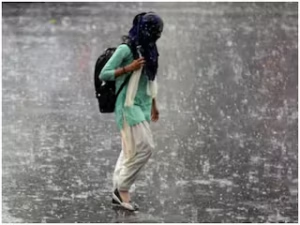
Although walking in the rain may seem harmless or enjoyable, it is advisable to avoid unnecessary exposure to rainwater. Rainwater can often be contaminated and may carry bacteria, viruses, and other harmful organisms capable of causing infections such as leptospirosis.
Individuals whose clothes become wet should change immediately to prevent colds and other health complications. Wet shoes and socks should also be removed promptly to reduce the risk of fungal infections affecting the feet and nails.
2. Secure Your Home Before Leaving
Rainstorms are sometimes accompanied by strong winds that can cause damage to buildings and property. Before leaving home, ensure that all windows and doors are properly closed and secured.
The rainy season also provides a good opportunity to inspect roofs, gutters, drainage systems, and pipelines for leaks or damage that may lead to water intrusion or flooding indoors.
3. Keep Mosquito Repellents Handy
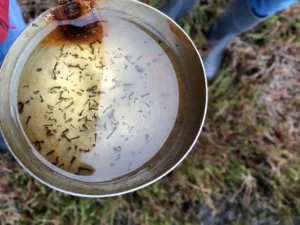
Heavy rainfall often creates favourable breeding conditions for mosquitoes, increasing the risk of malaria infections. Keeping mosquito repellents readily available, particularly during evening and nighttime activities, can help protect against mosquito bites.
Additional preventive measures such as sleeping under mosquito nets and eliminating stagnant water around homes are strongly recommended during the season.
4. Exercise Caution with Raw Foods

Flooding in farms and low-lying areas can expose vegetables and other fresh produce to contaminated water, increasing the likelihood of bacterial contamination. Leafy vegetables, in particular, may still contain harmful germs even after thorough washing.
For this reason, consuming properly cooked meals is generally safer during the rainy season, as high cooking temperatures help eliminate many disease-causing organisms.
5. Drive Carefully During Heavy Rainfall
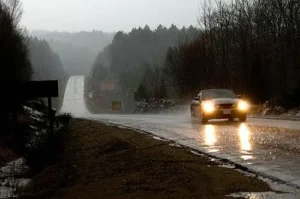
Road accidents tend to increase during the rainy season due to reduced visibility and slippery road surfaces. Drivers should ensure that their vehicles are in good condition before travelling in wet weather.
Essential vehicle components such as windscreen wipers, headlights, brakes, and tyres should be checked regularly. Tyres with adequate tread depth provide better traction and reduce the risk of skidding on wet roads.
Motorists are also advised to reduce speed during rainfall to avoid hydroplaning — a situation where water builds up between a vehicle’s tyres and the road surface, causing loss of traction and control.
In the event of a skid, drivers should avoid applying sudden or hard brakes. Remaining calm and steering carefully in the intended direction can help regain control of the vehicle safely.
While the rainy season may present several inconveniences, adopting the right safety measures can significantly reduce the risks associated with heavy rainfall.
Staying informed about weather conditions, maintaining clean surroundings, avoiding flooded areas, and practising safe driving habits can help individuals and communities navigate the season safely and responsibly.