
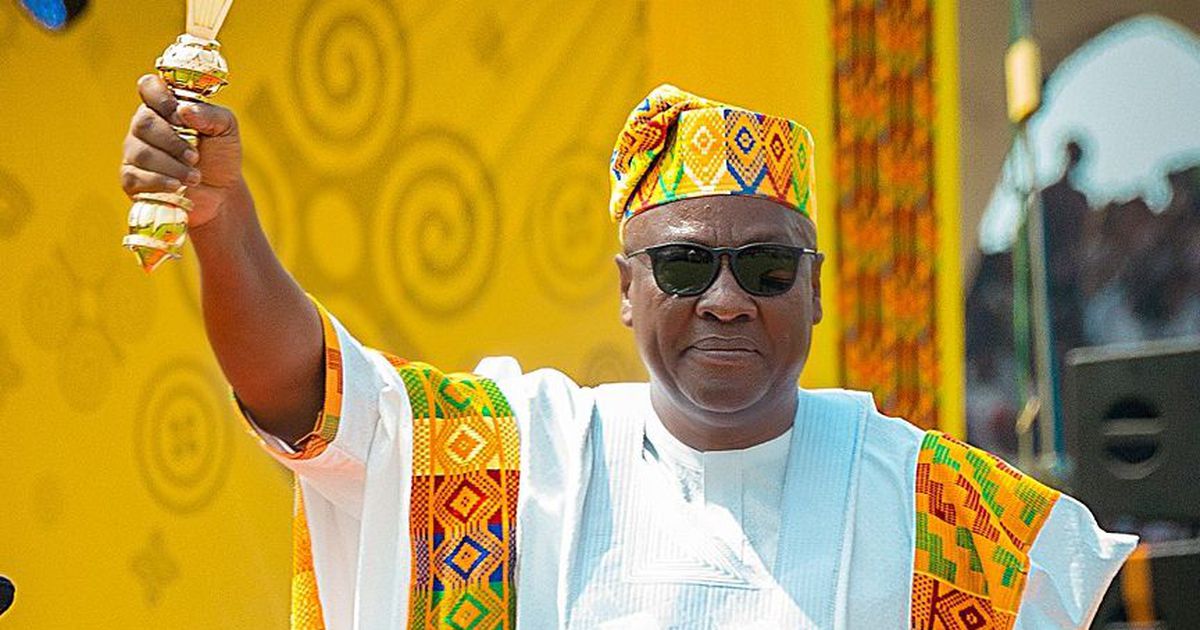
As the John Mahama administration commemorates its first year in office, national sentiment appears sharply divided, with Ghanaians expressing a blend of cautious hope and lingering regret over the country’s progress.
The anniversary, observed on December 7, has sparked widespread debate on whether the government has delivered enough relief and development during its initial 12 months.
Economic Struggles Fuel Regret
For many citizens, the reality of economic hardship remains a major source of frustration. Despite government measures aimed at fiscal consolidation and gradual economic stabilisation, the cost of living continues to weigh heavily on households.
Rising prices of essential goods, slow job creation, and persistent inflation have caused some Ghanaians to question whether meaningful change is taking place.
“It’s been a tough year. Things are still expensive, and we expected quicker improvements,” a trader in Kumasi said, reflecting a sentiment shared by many urban and rural households.
Another concern frequently raised is the pace of reforms within the education sector. Following reports of declining WASSCE performance and delays in capitation grants, some parents and teachers believe the administration’s efforts, though promising, have not yet produced visible results.
Signs of Progress Inspire Hope
Yet, while dissatisfaction exists, a significant portion of the population remains optimistic about the direction in which the country is heading.
Supporters of the administration highlight policy reforms aimed at stabilising the economy, including improved tax mobilisation, expenditure control, and ongoing collaboration between fiscal and monetary authorities.
Infrastructure developments such as ongoing road works, healthcare facility upgrades, and digitalisation projects have also given many citizens a sense of renewed confidence.
“We can see some improvements, even if they are slow. At least there’s a sense that things are moving,” a resident in Accra noted.
Additionally, government initiatives targeting youth development and entrepreneurship under the NEIP and YEA have drawn praise, particularly from young business owners who have benefited from funding and training support.
Mixed Reactions to Governance and Unity Efforts
President Mahama’s emphasis on fostering national unity and political tolerance has been acknowledged by civil society groups, some of whom believe it has helped reduce political tensions. However, critics argue that more concrete steps are needed to strengthen transparency and combat systemic corruption.
A Nation Balancing Expectation and Patience
As Ghana enters the second year of the Mahama administration, the national mood is best described as one of “tempered hopefulness.” While frustrations remain particularly around economic conditions and job opportunities many citizens believe the foundations have been laid for potential improvement.
Political analysts say the next year will be critical for the government, as Ghanaians closely monitor whether the administration can translate its policy groundwork into tangible results.
With three years left in his term, President Mahama faces mounting pressure to accelerate development, ease economic burdens, and restore full public confidence. For now, the nation waits some with optimism, others with caution as the administration pushes forward into its second year