
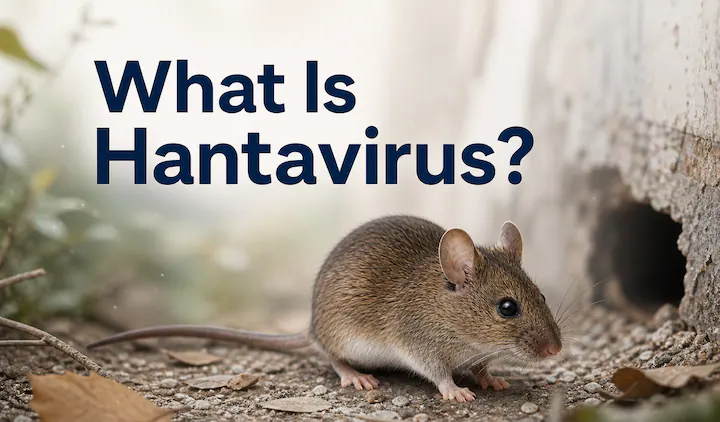
Hantavirus has become a growing topic of discussion worldwide as health experts continue to monitor cases linked to rodent-borne infections.
Although Hantavirus is not entirely new, increased public attention and rising concerns about infectious diseases have pushed the virus back into global conversations.
Understanding Hantavirus, how it spreads and how to prevent infection is important for protecting public health. Here is everything you need to know about the virus, its symptoms, causes and treatment options.
What is Hantavirus?
Hantavirus refers to a group of viruses mainly spread by rodents, especially rats and mice. Humans can become infected through contact with rodent urine, droppings or saliva. In some cases, breathing in contaminated air particles can also lead to infection.
The virus can cause severe illnesses in humans, including Hantavirus Pulmonary Syndrome (HPS), a serious respiratory disease that affects the lungs. In parts of Europe and Asia, certain strains can also lead to haemorrhagic fever with renal syndrome (HFRS), which affects the kidneys.
Health experts say Hantavirus infections are relatively rare but can become life-threatening if not detected early.
How Does Hantavirus Spread?
Hantavirus does not usually spread from person to person. The most common method of transmission is exposure to infected rodents or contaminated environments.
People may contract the virus through:
-
Inhaling air contaminated with rodent droppings or urine
-
Touching contaminated surfaces and then touching the mouth or nose
-
Eating food contaminated by rodents
-
Rodent bites, although this is less common
Areas with poor sanitation, abandoned buildings, farms, warehouses and places with heavy rodent infestations are considered high-risk environments.
Symptoms of Hantavirus
The symptoms of Hantavirus can initially resemble the flu, making early diagnosis difficult. Symptoms usually appear one to eight weeks after exposure.
Common early symptoms include:
-
Fever
-
Fatigue
-
Muscle aches
-
Headaches
-
Dizziness
-
Chills
-
Nausea and vomiting
As the infection worsens, patients may experience:
-
Shortness of breath
-
Chest pain
-
Persistent coughing
-
Difficulty breathing
In severe cases, fluid can build up in the lungs, leading to life-threatening respiratory complications.
Why is Hantavirus Dangerous?

One reason Hantavirus is considered dangerous is because symptoms can escalate quickly. Some patients develop severe breathing problems within days of the first signs of illness.
According to health authorities, Hantavirus Pulmonary Syndrome has a relatively high fatality rate if medical treatment is delayed. Early hospital care significantly improves survival chances.
The virus has raised concern because outbreaks can occur unexpectedly in areas with growing rodent populations or poor environmental hygiene.
Is Hantavirus a New Virus?
Despite current discussions online, hantavirus is not a newly discovered virus. Scientists have known about it for decades. However, increased awareness, social media discussions and occasional outbreaks have renewed public interest.
The virus gained international attention in the 1990s after outbreaks in the United States. Since then, cases have been recorded in several countries across North and South America, Europe and Asia.
Experts stress that while Hantavirus is serious, it is not spreading globally in the same way as highly contagious respiratory viruses.
How is Hantavirus Diagnosed?
Doctors diagnose Hantavirus through laboratory tests, patient symptoms and exposure history. Individuals who have recently been around rodents or rodent-infested areas are usually assessed carefully.
Blood tests can help detect antibodies or signs of infection linked to the virus.
Because symptoms may resemble pneumonia or influenza, medical professionals often rely on detailed patient history for accurate diagnosis.
Treatment for Hantavirus
There is currently no specific antiviral cure for hantavirus. Treatment mainly focuses on supportive medical care.
Patients with severe symptoms may require:
-
Oxygen therapy
-
Intensive care support
-
Ventilator assistance
-
Fluid management
Early medical attention is extremely important. The sooner treatment begins, the better the chances of recovery.
How to Prevent Hantavirus
Prevention remains the best protection against Hantavirus infection. Reducing exposure to rodents is critical.
Here are important prevention tips:
Keep Homes Clean
Regularly clean areas where rodents may hide, including storage rooms, kitchens and garages.
Seal Entry Points
Close holes and cracks in buildings to prevent rats and mice from entering.
Store Food Properly
Keep food in sealed containers and dispose of waste quickly.
Avoid Sweeping Rodent Droppings
Dry sweeping can release virus particles into the air. Instead, use disinfectants and protective gloves when cleaning contaminated areas.
Use Protective Gear
People working in farms, warehouses or abandoned structures should wear masks and gloves when cleaning.
Should People Be Worried About Hantavirus?
Health experts advise awareness rather than panic. Hantavirus infections remain relatively uncommon compared to many other infectious diseases. However, the virus should still be taken seriously because of its severe health risks.
Maintaining good hygiene, controlling rodent populations and seeking early medical care can greatly reduce the risk of infection.
As public health agencies continue monitoring cases worldwide, understanding hantavirus and practising preventive measures remain essential for staying safe.