
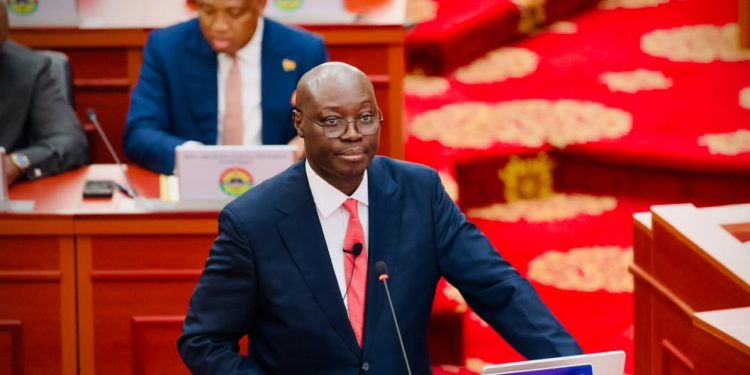
Finance Minister Dr Cassiel Ato Forson has revealed that the government will earmark funding in the 2027 national budget to implement a long-term solution to the persistent flooding that affects Accra and other flood-prone areas across Ghana.
He made the announcement while presenting the 2026 Mid-Year Budget Review in Parliament on Thursday, July 23, outlining the government’s response to the devastating June 29 floods and its broader strategy to tackle the country’s recurring flooding challenges.
According to the Finance Minister, the government acknowledges the severe human and economic consequences of annual flooding, which continue to result in loss of lives, destruction of homes and businesses, and extensive damage to public infrastructure.
Dr Forson explained that although emergency relief remains a priority following flood disasters, the government is now placing greater emphasis on sustainable interventions aimed at reducing flood risks and safeguarding vulnerable communities.
He noted that authorities acted quickly after the June 29 floods by providing emergency support, releasing funds, visiting the worst-affected communities and coordinating nationwide clean-up exercises to assist victims and restore normal activities.
Dr Forson further disclosed that President John Dramani Mahama has instructed the Ministry of Works, Housing and Water Resources to develop a comprehensive and permanent flood mitigation plan for Accra and other high-risk communities nationwide. He added that funding for the project will be included in the 2027 Budget and the government’s medium-term expenditure framework.
The announcement comes after torrential rains triggered severe flooding across parts of Accra on June 29, causing widespread destruction. Roads, homes, businesses and vehicles were submerged, economic activities were disrupted, many residents were displaced and several people lost their lives in one of the city’s worst flooding incidents in recent years.
The disaster has renewed public calls for lasting solutions, including major investments in drainage infrastructure, improved urban planning, regular desilting of drains and stricter enforcement of laws against building on waterways.