
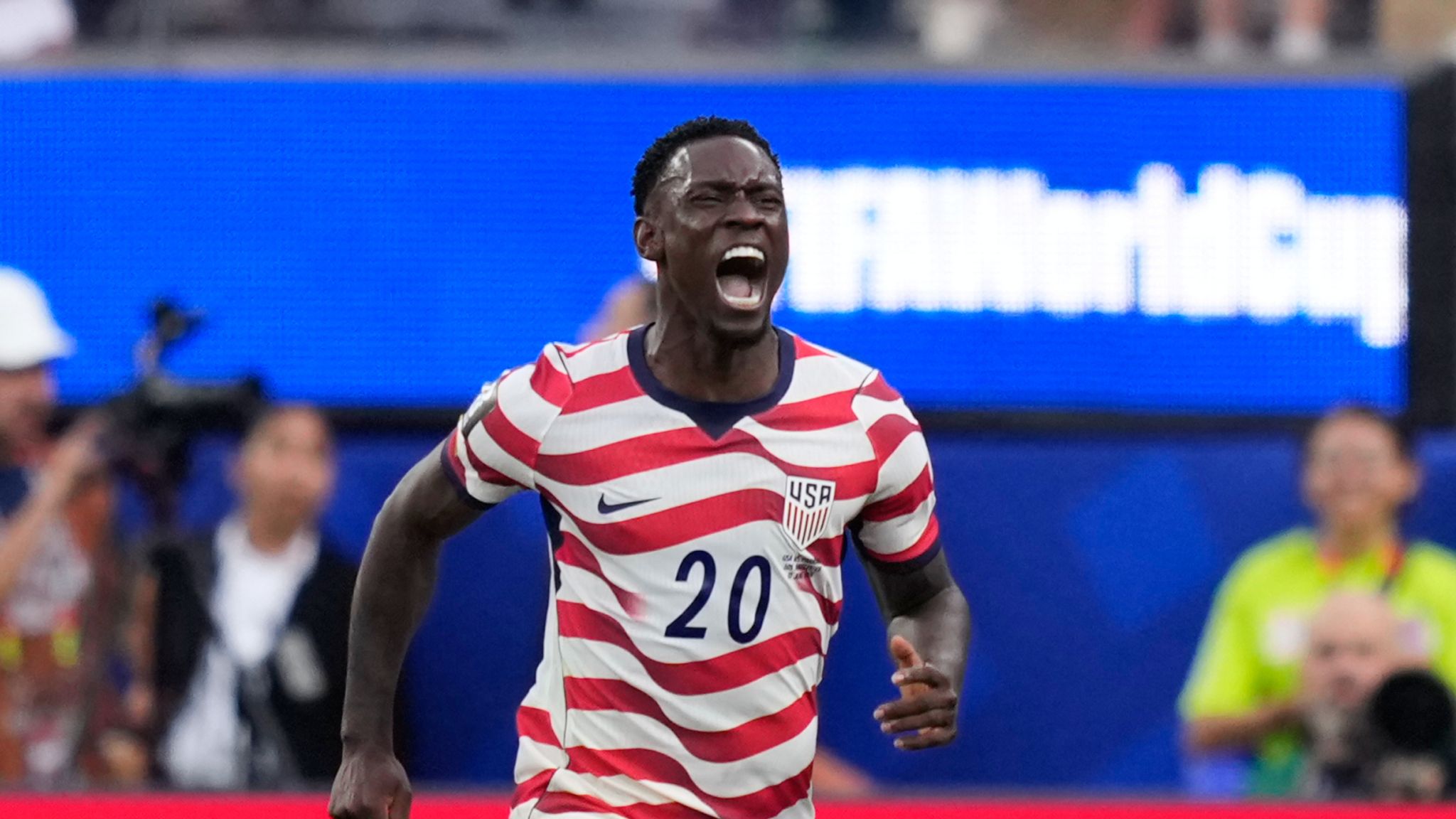
FIFA has sparked widespread debate after suspending the automatic one-match ban imposed on United States striker Folarin Balogun, making him eligible to play in the USA’s crucial 2026 FIFA World Cup Round of 16 clash against Belgium.
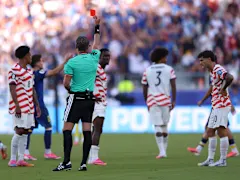
The decision came just days after Balogun was shown a red card during the United States’ 2-0 victory over Bosnia and Herzegovina in the Round of 32, a punishment that would normally have ruled him out of the next match.
However, FIFA’s Disciplinary Committee opted to suspend the sanction, allowing one of the tournament’s most influential forwards to remain available for selection.
What Led to Balogun’s Suspension?
Balogun received a straight red card after a challenge on Bosnia and Herzegovina defender Tarik Muharemović. The incident occurred in the second half of the match and was reviewed by VAR before the referee issued the dismissal.
Under FIFA regulations, a direct red card automatically carries a one-match suspension, meaning Balogun was initially set to miss the United States’ knockout encounter against Belgium.
Why Did FIFA Reverse the Ban?

Rather than completely overturning the red card, FIFA invoked Article 27 of the FIFA Disciplinary Code, which allows disciplinary sanctions to be suspended under certain circumstances.
In a statement, FIFA announced that the implementation of Balogun’s suspension would be placed under a one-year probationary period. This means the striker is free to play against Belgium, but the suspension could be reinstated if he commits a similar offence within the probation period.
The governing body did not provide a detailed explanation for the decision. However, reports suggest that the controversial nature of the red card and debates surrounding the severity of the challenge may have influenced the committee’s ruling.
Some observers argued that the incident did not warrant a straight red card and that a yellow card would have been a more appropriate punishment.
A Rare and Controversial Decision
The suspension of Balogun’s ban has generated significant controversy across the football world.
Belgium’s Football Association expressed surprise at the ruling, arguing that automatic suspensions for red cards have traditionally been applied consistently throughout the tournament. Officials questioned why an exception appeared to have been made in this case and indicated they were considering their legal options.
The decision has also divided fans and pundits. While some believe Balogun’s challenge did not deserve a red card and welcome FIFA’s intervention, others have criticised the move as inconsistent with the competition’s disciplinary regulations.
Massive Boost for the USA
For the United States, the ruling represents a major advantage heading into the knockout stages.
Balogun has been one of the team’s standout performers at the 2026 World Cup, scoring three goals and leading the American attack. His availability significantly strengthens the USA’s chances as they seek to reach the World Cup quarter-finals for the first time since 2002.
Players and coaching staff reportedly welcomed the news, with several members of the squad learning of the decision shortly before training in Seattle. The development has provided a timely morale boost ahead of one of the biggest matches of the tournament for the host nation.
What Happens Next?
Although Balogun is now eligible to face Belgium, the matter is unlikely to disappear quickly. FIFA’s decision has raised questions about how disciplinary rules are applied during major tournaments and whether similar cases will be treated the same way in the future.
For now, however, the United States can count on their leading scorer as they prepare for a high-stakes showdown with Belgium, while the debate surrounding FIFA’s intervention continues to dominate headlines across the football world.