
The global fight against HIV has reached a pivotal moment. South African scientists are making remarkable progress toward a potential cure for HIV, a development that could transform millions of lives and reshape the landscape of global health. With South Africa at the epicenter of the HIV epidemic, these groundbreaking efforts represent hope not only for the continent but for the world.
The Current State of HIV Research
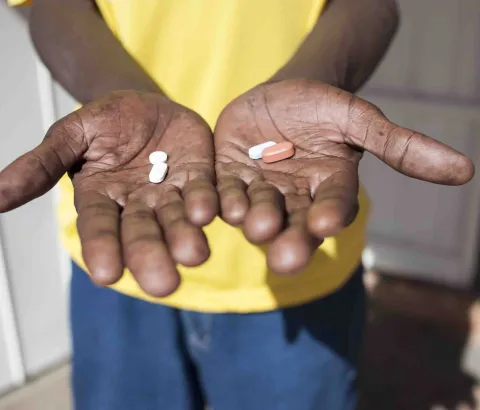
Despite decades of research and significant advances in antiretroviral therapy (ART), HIV remains incurable. ART can suppress the virus, allowing people to live healthy lives, but it does not eliminate HIV from the body. The virus’s ability to hide in latent reservoirs has long been a barrier to a complete cure.
Breakthroughs from South Africa
Cutting-Edge Approaches
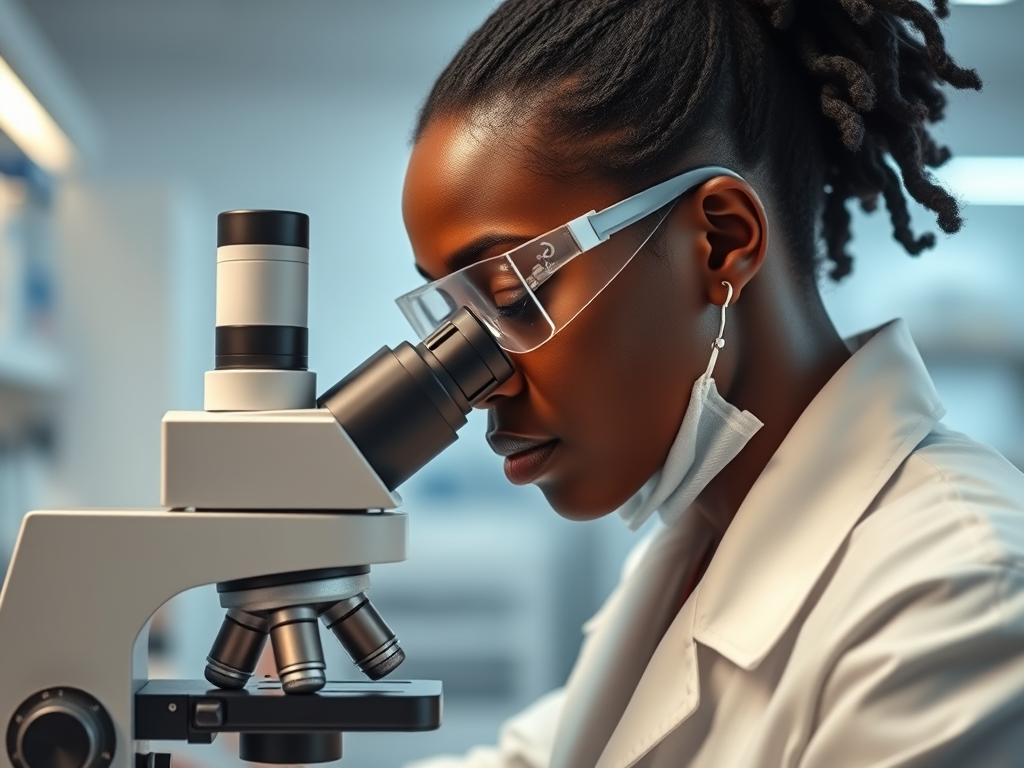
South African scientists are pioneering several innovative strategies to overcome these challenges:
- Gene Editing: Researchers are using CRISPR and other gene-editing tools to target and eliminate HIV from infected cells. Early studies show promise in disabling the virus’s ability to replicate without harming healthy cells.
- Immune Modulation: Teams are developing therapies that boost the body’s immune response, enabling it to recognize and destroy cells harboring latent HIV.
- Therapeutic Vaccines: New vaccine candidates are being tested to train the immune system to control or eradicate HIV, even after infection.
Key Institutions and Collaborations
- The University of KwaZulu-Natal and the South African Medical Research Council are at the forefront, collaborating with international partners to accelerate clinical trials and share findings.
- Public-private partnerships are driving funding and resource allocation, ensuring that discoveries move swiftly from the lab to real-world application.
Implications for Global Health
Transforming Lives
- Ending the Epidemic: A cure would dramatically reduce new HIV infections and AIDS-related deaths, especially in high-prevalence regions.
- Reducing Stigma: Eliminating HIV would help combat the stigma and discrimination faced by millions living with the virus.
- Economic Impact: A cure would lower long-term healthcare costs and boost productivity by allowing people to live and work without the burden of chronic illness.
Setting a Model for Innovation
South Africa’s leadership demonstrates the power of local innovation in addressing global health challenges. By leveraging local expertise and international collaboration, the country is setting a precedent for other regions facing endemic diseases.
Challenges Ahead
While the progress is promising, several hurdles remain:
- Safety and Efficacy: Any cure must be proven safe and effective in large, diverse populations.
- Access and Equity: Ensuring that a cure reaches all who need it, especially in low-resource settings, will require coordinated global efforts.
- Sustained Funding: Continued investment is crucial to move from promising research to widespread implementation.
Millions of people find hope in the strides made by South African scientists in their quest for an HIV cure. If successful, this breakthrough will not only change the trajectory of the HIV epidemic but also inspire new approaches to tackling other global health crises.
The world is watching—and waiting—for what could be one of the most significant medical achievements of our time