
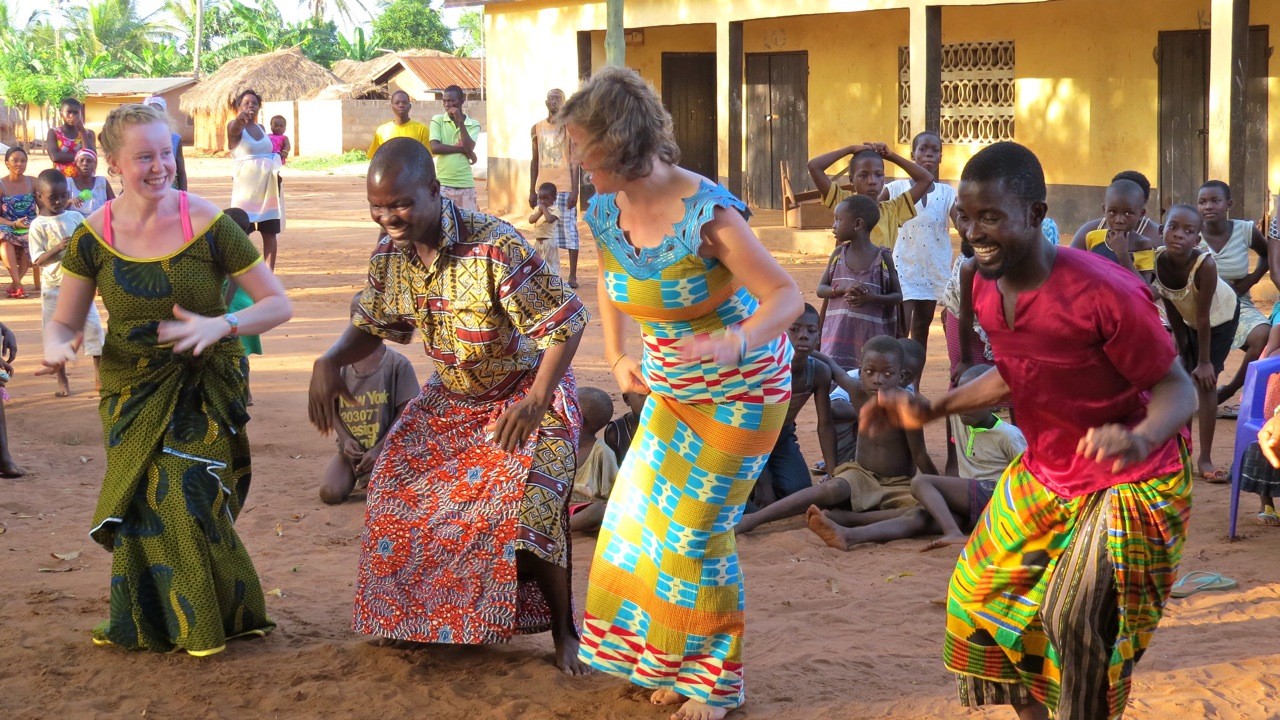
Ghana is a culturally diverse nation with over 80 languages and dialects, making it one of the most linguistically rich countries in West Africa.
While English is the official language, several indigenous Ghanaian languages have crossed borders, gaining recognition and use in different parts of the world. From music and film to migration and education, these languages are increasingly being heard on the global stage.
In this article, we highlight the top 5 Ghanaian languages that are heard globally, their cultural significance, and how they have influenced international spaces.
5. Fante (Akan Dialect)
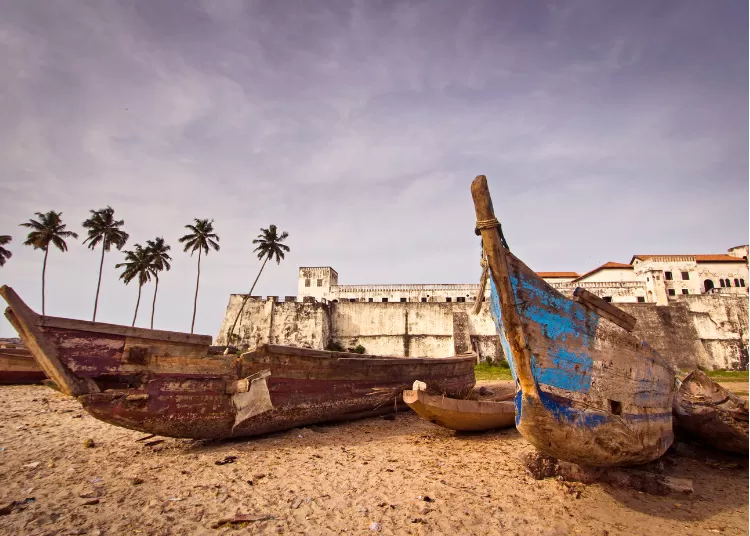
Fante, another major dialect of Akan, is widely spoken in the Central and Western regions of Ghana. Globally, it has become increasingly recognizable due to:
- Music and Literature: The late Ghanaian poet and playwright Efua Sutherland and other Fante writers have popularized the language in literary circles.
- Entertainment: Popular Ghanaian musicians such as Kofi Kinaata often sing in Fante, with their songs reaching audiences across Africa, Europe, and North America.
- Diaspora Presence: Fante-speaking Ghanaians in the diaspora continue to promote the language through community gatherings and cultural events.
Fante is also widely studied in linguistic research as part of the Akan language group, increasing its international presence
4. Dagbani

Dagbani, spoken by the Dagomba people in Northern Ghana, is one of the major languages in the northern part of the country. It is widely taught in Ghanaian schools and increasingly heard outside the country.
How Dagbani is heard globally:
- Music Influence: Dagbani has been promoted by Ghanaian musicians from the north such as Fancy Gadam and Maccasio, whose music has reached international platforms.
- Research & Education: Universities and researchers studying African languages and culture have highlighted Dagbani, giving it global academic recognition.
- Migration Patterns: Northern Ghanaian migrants have carried the language abroad, ensuring its survival in diaspora communities.
Dagbani is also included in Ghana’s local media broadcasts, making it accessible through online platforms to international listeners.
3. Ewe

Ewe is spoken in the Volta Region of Ghana as well as parts of Togo and Benin, giving it a wider West African reach. Beyond the continent, the language has also spread through migration.
Why Ewe is globally recognized:
- Music & Drumming: Ewe drumming and traditional music are taught in universities and music conservatories worldwide. Scholars and students travel from Europe and the U.S. to Ghana to learn Ewe drumming patterns.
- Diaspora Influence: Large Ewe-speaking populations in Europe, particularly in Germany and the UK, maintain the language in their communities.
- Religious Impact: Like Twi, Ewe is used in churches abroad, especially in Ghanaian and Togolese congregations.
Because of its cultural and academic importance, Ewe is one of the most studied Ghanaian languages by foreigners
2. Ga
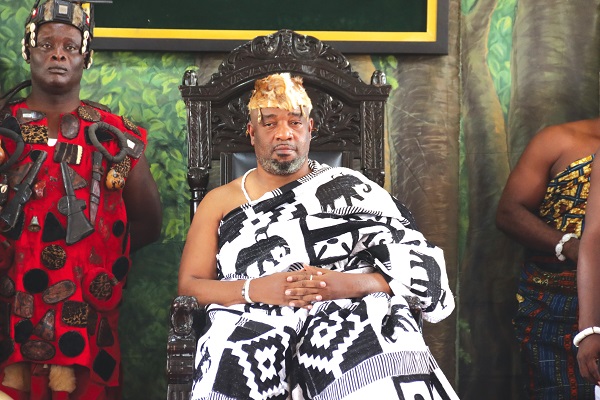
Ga, spoken predominantly in the Greater Accra Region, has become one of the most recognized Ghanaian languages globally due to the centrality of Accra as Ghana’s capital.
How Ga travels globally:
- Festivals and Culture: The annual Homowo Festival celebrated by the Ga people is documented and shared internationally, often showcasing Ga songs, chants, and rituals.
- Music: Popular Ga phrases are featured in Afrobeat and dancehall songs performed on global stages.
- Migration: Many Ga-speaking communities in Europe and North America have established cultural associations, ensuring the language is preserved and heard abroad.
Ga expressions like “Oyaa” (let’s go) and “Shikpong” (money) are often heard in everyday Ghanaian pop culture, making them popular among international audiences as well.
1. Twi (Akan Language)

Twi, a dialect of the Akan language, is by far the most widely spoken Ghanaian language outside Ghana. It is used by millions of Ghanaians at home and abroad, especially in countries with large Ghanaian communities such as the United States, the United Kingdom, Canada, Germany, and the Netherlands.
Globally, Twi has gained recognition through:
- Music: Many highlife, hiplife, and Afrobeat artists incorporate Twi in their lyrics. International stars like Sarkodie and Stonebwoy have helped make Twi lyrics recognizable beyond Ghana.
- Religion: Ghanaian churches abroad often conduct services in Twi to cater to the diaspora.
- Digital Content: Platforms like YouTube and TikTok feature Twi-based content that attracts global audiences.
Its rich proverbs and expressive tone make Twi not only a cultural treasure but also a tool of identity for Ghanaians worldwide.
The Global Significance of Ghanaian Languages
Ghanaian languages are not only tools of communication but also carriers of culture, heritage, and identity. Their global recognition has been fueled by migration, music, festivals, and digital platforms. With the growth of Afrobeat, Nollywood collaborations, and Ghana’s cultural exports, these languages are expected to become even more prominent on the world stage.
For younger generations in the diaspora, learning Ghanaian languages like Twi, Ga, Ewe, Dagbani, and Fante is a way of connecting to their roots while keeping Ghana’s rich linguistic heritage alive.
The top 5 Ghanaian languages heard globally—Twi, Ga, Ewe, Dagbani, and Fante have moved beyond Ghana’s borders to gain recognition in music, education, religion, and migration networks.
As globalization continues to create cultural bridges, these languages will only grow louder on the world stage, cementing Ghana’s place as a hub of cultural and linguistic diversity.