
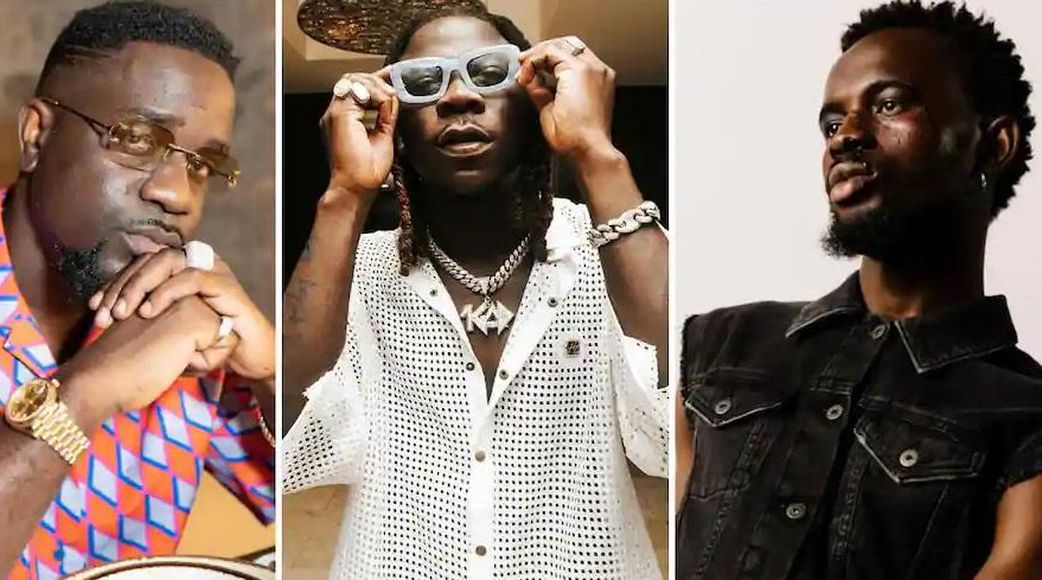
Ghana has long been recognized as a hub of creativity and cultural richness. From the golden era of highlife music in the 1960s and 1970s to the emergence of Afrobeats today, the country has consistently produced world-class talent.
Yet, despite this vibrant legacy and the undeniable skills of Ghanaian artistes, only a handful have managed to make a significant mark on the global stage.
Compared to their Nigerian counterparts, who dominate charts and festivals across Europe, America, and beyond, Ghanaian musicians often find themselves playing catch-up.
This raises the question: why do Ghanaian artistes struggle to break into global stages despite their talent?
Limited Industry Infrastructure
One of the biggest challenges facing Ghanaian artistes is the lack of a robust music industry infrastructure. Unlike countries such as Nigeria, South Africa, or even the United States, Ghana’s music ecosystem is not fully developed.
There are fewer international-standard record labels, limited music publishing structures, and weak distribution networks. This makes it difficult for artistes to access global markets, distribute their music effectively, or even monetize their craft beyond local shows and radio airplay.
Without the backing of a strong industry system, many artistes are left to navigate the global music scene independently, which slows their progress.
Marketing and Branding Gaps
Talent alone is never enough on the global stage—branding, packaging, and strategic marketing are equally important.
Many Ghanaian artistes have exceptional vocal ability and stage presence, but their branding often lacks the consistency and global appeal required to stand out. International audiences are not just drawn to music; they connect with an artiste’s story, image, and presentation.
Nigerian artistes, for instance, have mastered the art of self-promotion and branding, making them household names across continents. Ghanaian artistes, by contrast, often invest less in personal branding, making it harder to capture international attention.
Why Ghanaian Artistes Struggle to Break Into Global Stages Despite Their Talent
Limited Collaborations and Networking
Breaking into the global stage often requires collaborations with already established international artistes and producers. Nigerian artistes such as Burna Boy, Wizkid, and Davido leveraged collaborations with global icons like Drake, Beyoncé, and Justin Bieber to cement their status.
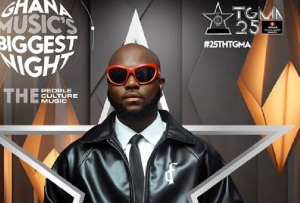
Ghanaian artistes, however, engage in fewer of such collaborations, partly due to limited resources and networks. While some, like Stonebwoy, Shatta Wale, and Sarkodie, have made efforts, the overall number of collaborations is relatively small, and not enough to create sustained visibility for Ghanaian music on international charts.
Financial Constraints
Music promotion, touring, and production require significant financial investment. Unfortunately, many Ghanaian artistes face financial constraints that limit their ability to compete internationally.
The costs of producing high-quality videos, touring globally, and promoting songs on international platforms are often beyond the reach of independent musicians.

Without strong record label backing or investor support, these artistes are unable to consistently push their work to a global audience, leaving them overshadowed by artistes from better-financed markets.
Lack of Government and Institutional Support
In countries like South Korea, the government actively supports the K-pop industry through funding, policies, and cultural promotion initiatives. Similarly, Nigeria’s entertainment industry enjoys massive informal support from its diaspora and corporate sponsorships.
Ghana, however, lags behind in institutional support for the creative arts. Policies to promote music exports, create platforms for artistes abroad, or even streamline royalties are either weak or inconsistently implemented. Without this backing, artistes have to rely solely on personal efforts, which limits their chances of competing globally.
Language and Marketability
Another subtle yet significant challenge is language. While Pidgin English and Twi add authenticity to Ghanaian music, they sometimes limit accessibility for global audiences.
Nigerian artistes, although they also use local languages, often fuse them with globally appealing melodies and more accessible English lyrics. Ghanaian artistes sometimes struggle to find that balance, making their music less marketable to wider audiences unfamiliar with Ghanaian dialects.
The Dominance of Nigeria in Afrobeats
The global rise of Afrobeats has largely been associated with Nigeria, which has branded itself as the genre’s powerhouse. Nigerian artistes dominate streaming platforms, media outlets, and international award nominations.
This dominance overshadows Ghanaian contributions, even though Ghana has been instrumental in shaping Afrobeats and other African sounds. As a result, Ghanaian artistes often play second fiddle in an industry where Nigeria sets the pace and dictates trends.
Inconsistent Output and Long Breaks
Consistency is key in building a global career. Unfortunately, many Ghanaian artistes are inconsistent in releasing music and maintaining relevance.
Long breaks between projects make it difficult to build international momentum. On the other hand, Nigerian artistes flood the market with frequent singles, collaborations, and music videos, ensuring they remain on the radar of global audiences.
Diaspora Engagement and Promotion
A significant factor in the global success of African artistes has been their diaspora. Nigerian artistes benefit immensely from a massive diaspora that pushes their music abroad.

While Ghana also has a diaspora, it is smaller and less influential in terms of global music promotion. As a result, the organic global spread of Ghanaian music is less pronounced.
Ghanaian artistes are undoubtedly talented, but their struggles to break into global stages stem from a combination of structural, financial, and branding challenges.
To change this narrative, Ghana needs a stronger music industry infrastructure, increased collaboration with international players, better branding strategies, and more institutional support. Artistes themselves must also remain consistent, innovative, and intentional about reaching global markets.
With the right structures in place, Ghanaian music has the potential not only to compete but also to dominate internationally, just as it once did during the golden days of highlife.