

Accra’s rainy season often brings more than just cooler temperatures and relief from the heat. For thousands of commuters, it also signals long hours in traffic, flooded roads, delayed appointments, and difficult journeys to work or school.
Even a few hours of heavy rainfall can significantly disrupt movement across the capital, especially on major roads that serve as key transport corridors.
Flooding, poor drainage, blocked gutters, and increased caution among motorists combine to create severe congestion in several parts of the city. While authorities continue to implement flood mitigation measures, some roads have developed a reputation for becoming traffic hotspots whenever it rains.
READ ALSO: Accra Floods: Causes, Effects, and Solutions
Here are seven roads and corridors in Accra that frequently experience heavy traffic during rainy weather.
1. George Walker Bush Highway (N1 Highway)
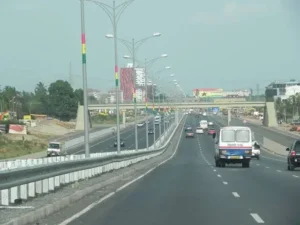
The George Walker Bush Highway, popularly known as the N1 Highway, is one of Accra’s busiest roads and a major gateway connecting several parts of the city. During heavy rains, sections of the highway—particularly around Ofankor, Achimota, and nearby interchanges—often become waterlogged.
Flooded lanes force motorists to slow down considerably, while some vehicles become stranded in deeper sections. Since the highway serves thousands of commuters daily, even minor flooding can trigger traffic congestion stretching for several kilometres.
2. Accra–Kasoa Road

The Accra–Kasoa Road remains one of Ghana’s busiest commuter routes, carrying heavy traffic between Accra and rapidly growing communities in the western corridor. During periods of heavy rainfall, flooding around Weija, Mallam Junction, and Old Barrier frequently disrupts traffic flow.
Drivers often spend hours navigating flooded sections, while commercial vehicles struggle to maintain normal schedules. The combination of high vehicle volume and poor drainage makes this corridor particularly vulnerable during the rainy season.
3. Spintex Road
Spintex Road has witnessed rapid commercial and residential development over the years, resulting in increased traffic even on dry days. When it rains, however, the situation often deteriorates quickly.
Floodwater can accumulate along portions of the road, making driving difficult and slowing traffic significantly. Businesses, shopping centres, and residential estates along the corridor contribute to the high number of vehicles using the route, causing congestion to build rapidly whenever rainfall intensifies.
4. Kaneshie–Mallam Corridor
The Kaneshie–Mallam stretch serves as one of the most important transport links in the Greater Accra Region. It connects commuters travelling between central Accra and western communities while also accommodating numerous commercial vehicles.
READ ALSO: 7 Flood-Prone Areas in Accra Residents Should Avoid During Heavy Rains
Heavy rainfall frequently leads to flooding in sections of the corridor, forcing motorists to reduce speed and creating long queues. The busy nature of Kaneshie Market and surrounding transport terminals further contributes to congestion whenever the weather turns wet.
5. Kwame Nkrumah Interchange (Circle)
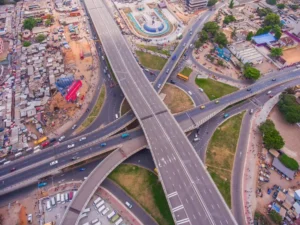
Known simply as “Circle,” the Kwame Nkrumah Interchange is one of Accra’s busiest transport hubs. Despite improvements made through the interchange project, surrounding roads can still experience flooding during intense rainfall.
Large numbers of buses, taxis, private vehicles, and pedestrians use the area daily. When heavy rains reduce road capacity, traffic quickly builds up, affecting movement in several directions across central Accra. Circle has long been recognised as one of the city’s flood-prone transport hubs.
6. Achimota–Ofankor Stretch
The Achimota–Ofankor corridor links northern Accra with the city centre and serves thousands of daily commuters. During rainy weather, portions of the road may become flooded, slowing traffic considerably.
Vehicles often move cautiously through waterlogged sections, while breakdowns and minor accidents can further worsen congestion. Because this route also connects with the N1 Highway, delays in one section frequently spill over into neighbouring roads.
7. Adenta–Madina Road
The Adenta–Madina corridor is another route that experiences significant delays during heavy rains. Areas around Atomic Junction and nearby intersections are known to experience flooding, reducing traffic speed and making commuting more difficult.
READ ALSO: Education Ministry seeks help to trace Bole SHS teacher over alleged sexual misconduct
The road serves several residential communities, schools, hospitals, and commercial centres, meaning traffic volumes remain high throughout the day. Rainfall often increases travel times considerably as motorists navigate flooded sections with extra caution.
Why These Roads Become Congested During Rainfall
Several factors contribute to heavy traffic on these roads whenever it rains. Flooded drains reduce the available road space, forcing drivers to slow down or change lanes. Poor drainage infrastructure in some locations allows water to accumulate quickly after heavy downpours.
Blocked gutters caused by indiscriminate waste disposal also worsen flooding, while rapid urban development has increased the number of vehicles using roads that were not originally designed to handle current traffic volumes. Together, these factors create long delays across key transport corridors.
Staying Safe During Rainy-Day Commutes
Motorists are encouraged to monitor weather forecasts before travelling during the rainy season. Leaving home earlier than usual, avoiding severely flooded roads where possible, and maintaining safe driving speeds can reduce the risk of accidents.
Drivers should never attempt to force vehicles through deep floodwaters, as hidden potholes, strong currents, or engine damage can pose serious dangers.
Following traffic updates and official advisories can also help commuters identify safer alternative routes during periods of heavy rainfall.
As Accra continues to expand, improving drainage systems, maintaining road infrastructure, and promoting responsible waste management will remain essential in reducing flooding and easing traffic congestion during the rainy season.
Until then, these seven roads are likely to remain among the city’s most challenging routes whenever the skies open.