
Ghanaians may soon experience fresh strain at fuel stations as international oil prices climb sharply after new assaults on commercial ships close to the Strait of Hormuz a vital maritime corridor responsible for transporting roughly a fifth of the world’s oil and gas.
The surge in prices follows mounting hostilities in the Middle East, with Iran stepping up attacks across the region in retaliation for continued strikes by the United States and Israel. The growing instability has unsettled global energy markets, sparking fears of possible supply interruptions.
The UK Maritime Trade Operations (UKMTO) reported that at least three vessels were targeted near the Strait. Two ships were struck by unidentified projectiles that ignited fires, while another explosion occurred near a third vessel. Officials indicated that all crew members were unharmed.
Tehran has cautioned ships against navigating the strait, leading many operators to remain anchored in nearby waters rather than risk passage. Market observers note that traffic at the entrance of the waterway has dropped considerably due to heightened security threats and soaring insurance premiums.
During early Asian trading on Monday, crude prices initially surged by more than 10 percent before retreating slightly. By 02:00 GMT, Brent crude was up over 4 percent at $76.16 per barrel, while US benchmark crude gained about 4 percent to reach $69.67.
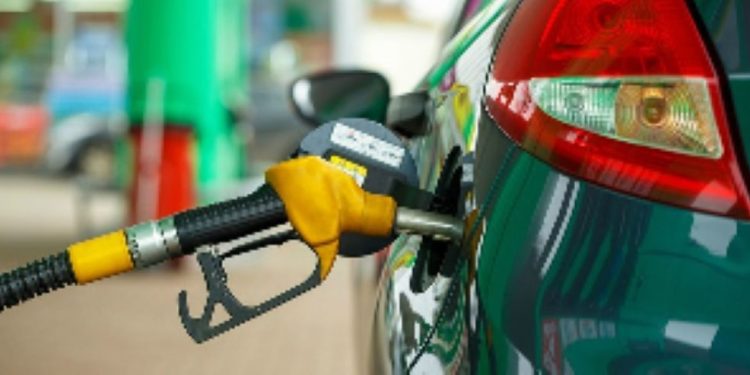
As a country that relies heavily on imported refined petroleum products, Ghana could face higher fuel prices if crude costs remain elevated. This would likely push up transportation fares and add further pressure to food and commodity prices.
Energy analysts say markets have yet to descend into full-scale panic, since key oil production and transportation facilities have not been directly attacked. Still, they warn that prolonged conflict and continued restrictions on shipping through the Strait of Hormuz could drive prices beyond $100 per barrel.
In a bid to calm markets, the OPEC+ coalition, which includes major producers such as Saudi Arabia and Russia, agreed on Sunday to raise output by 206,000 barrels per day. Some industry experts remain sceptical about whether that increase would be enough to offset extended supply disruptions.
At the same time, Iran’s Islamic Revolutionary Guards Corps (IRGC) announced that three tankers allegedly linked to the United Kingdom and the United States were hit by missiles and set ablaze. Neither government has confirmed the allegation.
The UKMTO has also documented several security incidents across the Arabian Gulf and the Gulf of Oman, urging ships to exercise extreme caution while transiting the area.
Tracking data shows that more than 150 oil tankers are currently anchored in open Gulf waters instead of attempting to move through the Strait. Analysts caution that if the route remains effectively shut for a prolonged period, the impact on global energy markets and on fuel-dependent economies such as Ghana could be severe.