
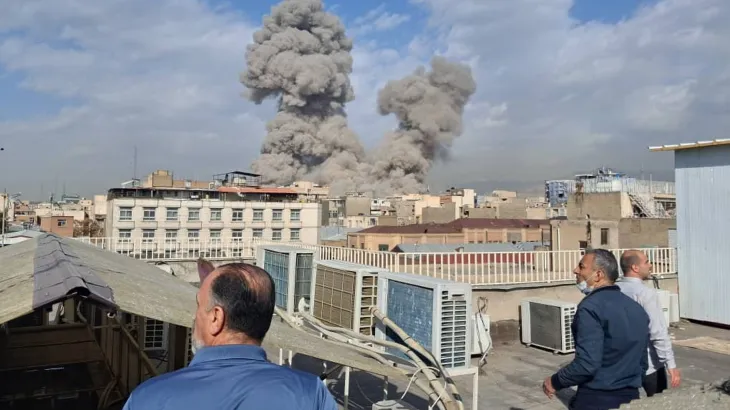
Tensions in the Middle East have escalated sharply after coordinated U.S. and Israeli airstrikes on Iran, culminating in the reported killing of Supreme Leader Ayatollah Ali Khamenei.
Iranian state media confirmed that Khamenei died following strikes on his compound in Tehran and other key installations. Washington described the operation as a pre-emptive move to neutralise imminent threats and weaken Iran’s military capacity.
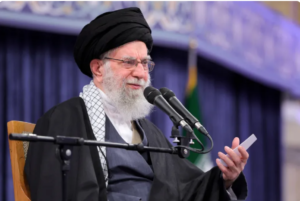
Khamenei, who had ruled Iran since 1989, was killed alongside senior commanders and relatives. Tehran declared a 40-day mourning period and denounced the strikes as unlawful aggression, pledging retaliation against both the United States and Israel.
In response, Iran’s Islamic Revolutionary Guard Corps launched missile and drone attacks targeting Israel and Gulf states hosting American forces. Reports of explosions and aerial clashes emerged from Bahrain, Qatar, Kuwait, Jordan and the United Arab Emirates, with casualties mounting across the region.
Although Ghana is far removed geographically, the ripple effects of the conflict could reach its economy, diplomacy and security framework.
Diplomatic Implications
Ghana may face mounting pressure to define its position in international platforms such as the United Nations.
Any stance taken could shape relations with key players, including the U.S., Russia, Iran and Israel relationships that affect trade flows, development assistance and foreign investment.
President John Dramani Mahama has already acknowledged the emerging risks, warning that instability in a region central to global oil supply could have economic consequences for countries like Ghana. As geopolitical alignments shift, Accra’s foreign policy balance may be tested.
Energy and Economic Impact
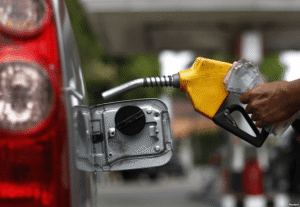
The Middle East remains critical to global oil production, and any disruption to supply routes can trigger price spikes. Ghana, which imports refined petroleum products despite its growing oil sector, could experience higher fuel costs if crude prices climb.
Economist Professor Godfred Bokpin has cautioned that rising global oil prices would likely translate into increased transport fares and commodity prices, adding inflationary pressure.
On the other hand, elevated gold prices, often a by-product of global uncertainty, could provide some fiscal relief. Dr Theo Acheampong of the Finance Ministry noted that sustained high gold prices could strengthen Ghana’s reserves if managed prudently.
Security Concerns
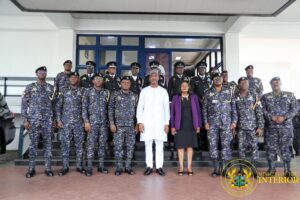
Instability in the Middle East has historically had global security repercussions. Ghana’s security agencies may intensify surveillance and cooperation with regional and international partners to guard against potential spillover threats, including terrorism or illicit arms trafficking. Given West Africa’s fragile security environment, vigilance remains essential.
Ghanaians Abroad
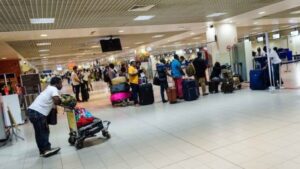
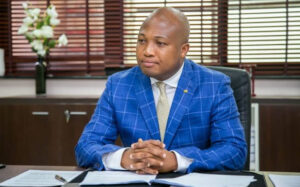
The government has already shut down its embassy in Iran and evacuated all diplomatic staff. Foreign Affairs Minister Samuel Okudzeto Ablakwa confirmed that the evacuation was completed successfully and that personnel are safe. The embassy has been closed indefinitely.
Authorities have also advised Ghanaian pilgrims planning to travel for Umrah to postpone their trips until the situation stabilises. Citizens currently in Saudi Arabia have been urged to comply with local safety directives and maintain contact with Ghana’s missions in Riyadh and Jeddah.
Regional and Multilateral Engagement
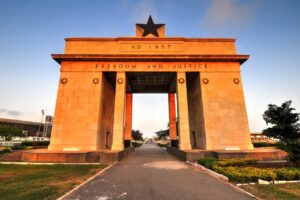
As a member of ECOWAS and the African Union, Ghana may engage in collective diplomatic efforts aimed at de-escalation. ECOWAS has already voiced concern about the potential global and economic consequences of the hostilities. Ghana’s participation in such forums will shape its broader response as the crisis evolves.
Conclusion
While Ghana is not directly involved in the Middle East confrontation, the fallout could affect its economy, energy prices, diplomatic relations and national security. Volatile oil markets, shifting geopolitical alliances and wider security risks present real challenges.
How effectively the government navigates these pressures through careful foreign policy, sound economic management and proactive security coordination will determine the country’s resilience in the face of a rapidly changing global landscape.