
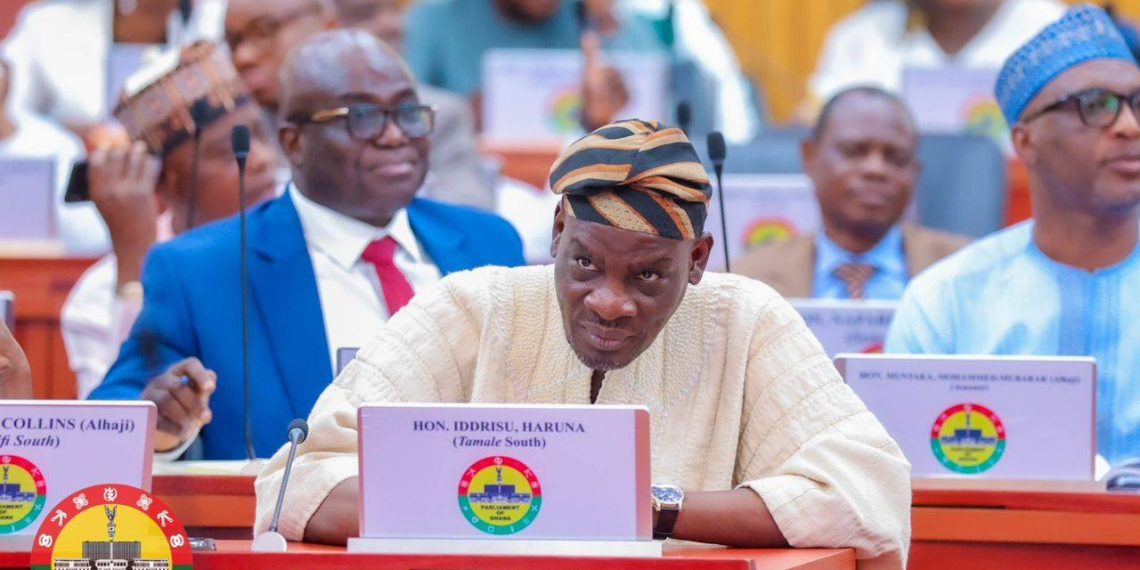
The Minister for Education, Haruna Iddrisu, has announced that teachers assigned to rural and underserved communities will receive an additional 20 percent of their basic salary as an allowance to encourage them to accept and remain in such postings.
Mr. Iddrisu made the announcement in Parliament on July 2, 2026, while responding to questions concerning the education sector and measures being introduced to improve the welfare of teachers.
According to the Minister, the proposed incentive is part of the government’s wider plan to tackle the persistent shortage of teachers in deprived communities by attracting and retaining qualified professionals in those areas.
READ ALSO: 7,000 newly recruited teachers to begin work on July 1 – Haruna Iddrisu
He explained that many schools in rural locations continue to struggle with inadequate staffing because teachers often prefer postings to urban centres, where access to social amenities and opportunities is better.
The allowance is therefore intended to reward educators who choose to work in difficult-to-reach communities while promoting a fairer distribution of teachers nationwide.
Mr. Iddrisu acknowledged that teacher deployment remains one of the key challenges facing Ghana’s education system, stressing that the new incentive is expected to increase the number of qualified teachers serving in historically underserved communities.
READ ALSO: Haruna Iddrisu provides updates on teacher recruitment
The announcement comes as the government continues to explore measures aimed at improving teachers’ conditions of service and strengthening the education sector.
For years, education stakeholders have called for the introduction of a deprived-area allowance, arguing that financial incentives are necessary to encourage teachers to accept postings in communities with limited infrastructure and fewer social amenities.
READ ALSO: Teacher recruitment: Haruna Iddrisu reveals important update
Once implemented, the policy is expected to boost teacher motivation, reduce staffing shortages in rural schools, and improve the quality of education and learning outcomes for students in underserved areas.
The Ministry of Education is expected to release additional information on how the allowance will be implemented, including eligibility requirements, payment arrangements, and the timeline for its rollout.